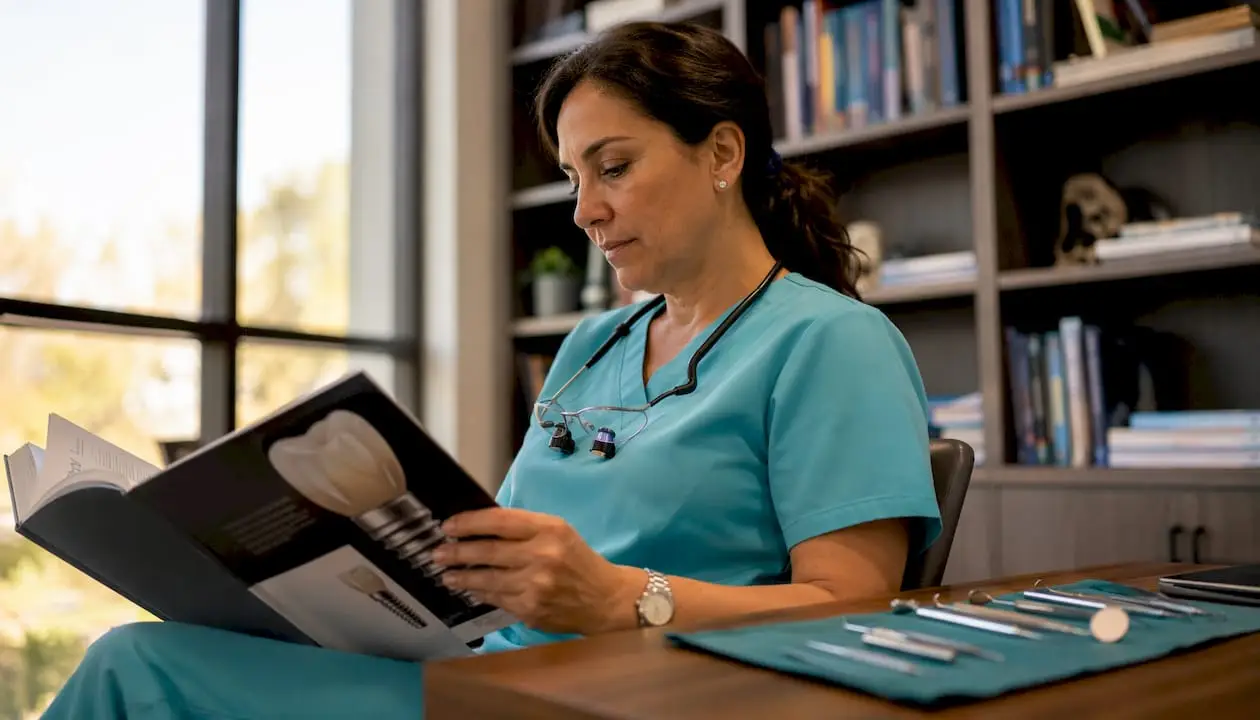
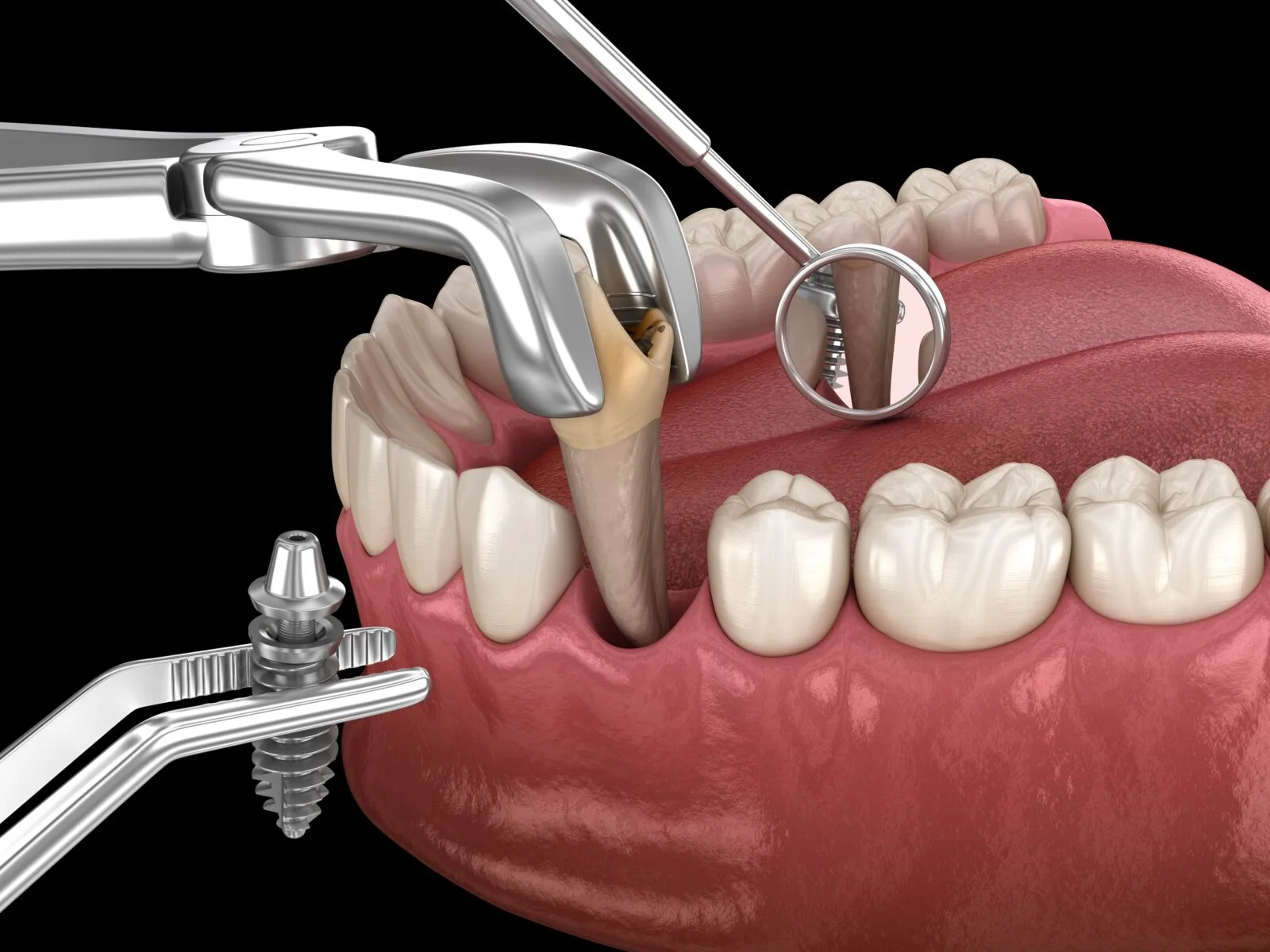
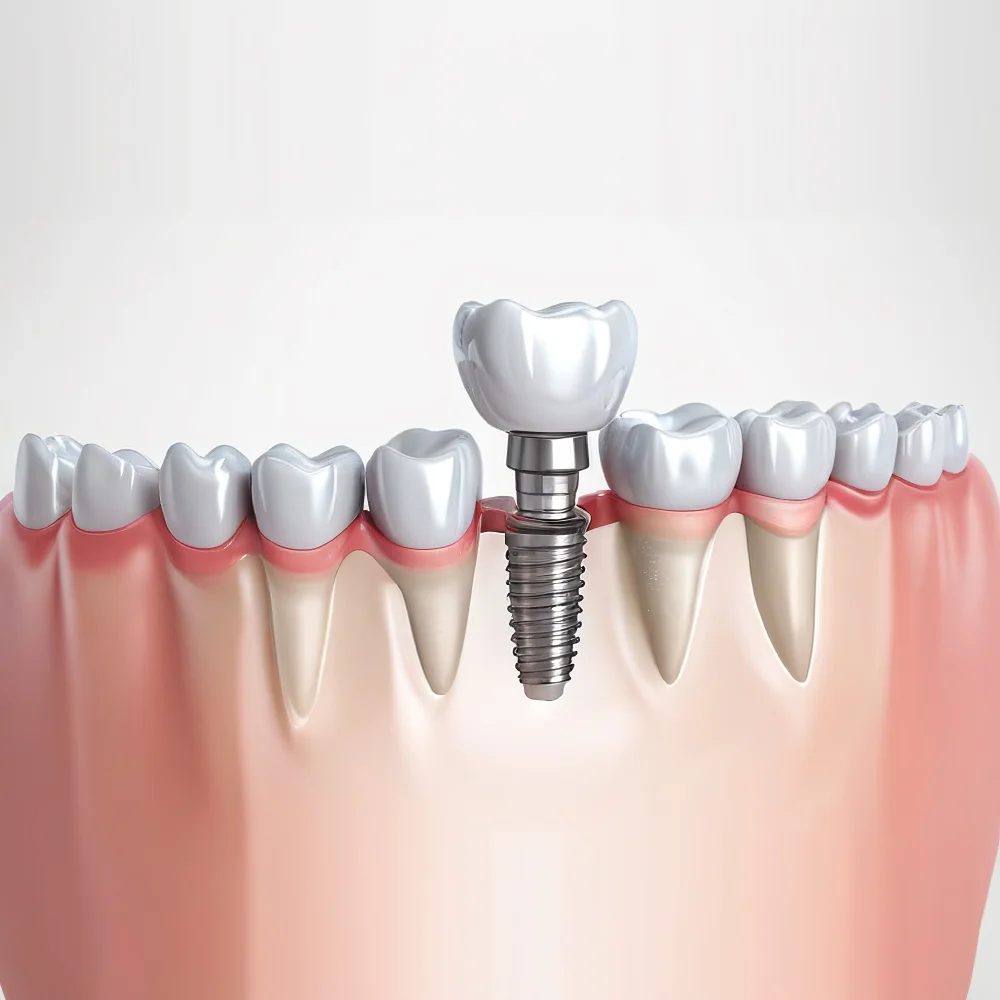
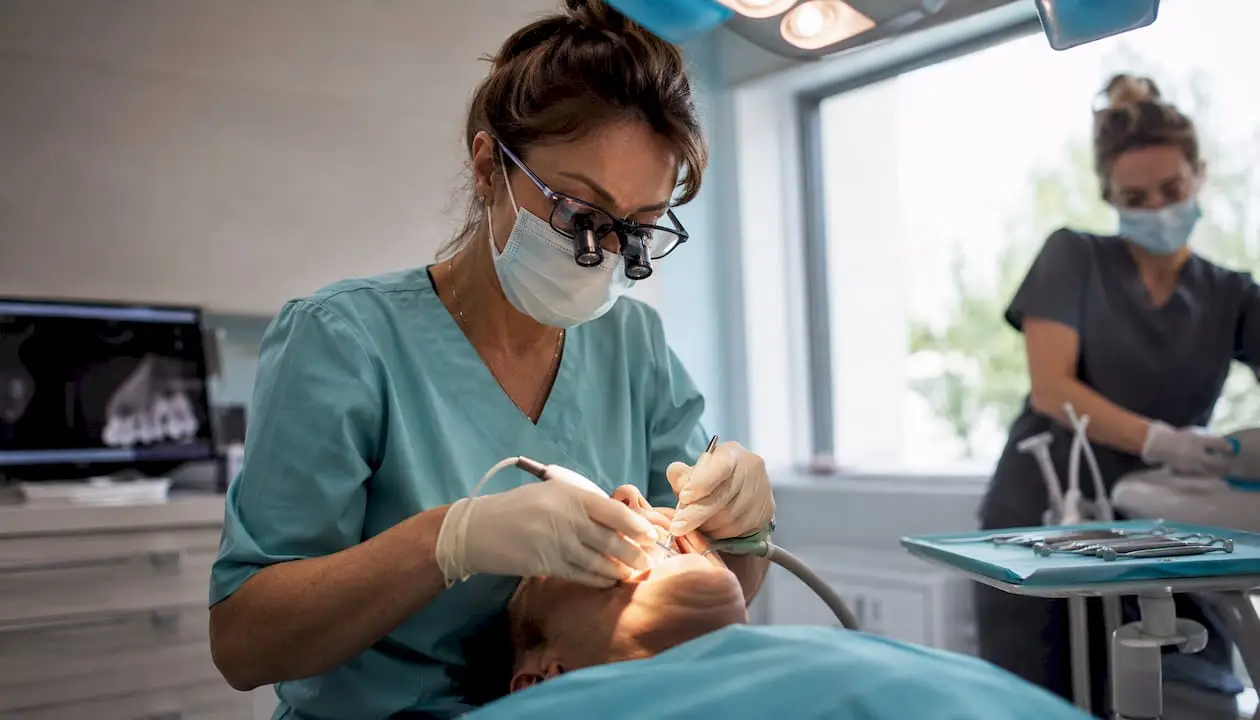
If your goal is board certification through ABOI/ID, a multi-year residency or fellowship is the clearest path. If you want live-surgery mastery without leaving practice, a mentorship-led staged continuum is the better fit. For a targeted skills refresh, a short intensive cadaver course gets you there fastest.
Quick goal-to-program map:
- Diplomate pathway (ABOI/ID or AAID): Multi-year residency or fellowship (e.g., Jacksonville University’s 24-month MS in Dentistry with Certificate in Comprehensive Oral Implantology, or a university-affiliated GPR/AEGD) → Start by auditing ABOI’s CE hour requirements and confirming ADA/CERP or AGD/PACE recognition before enrolling.
- Live-surgery mastery while staying in practice: Mentorship-led, staged implant continuum (multi-module series spread over several months) → Request documented supervised case counts and mentor-to-trainee ratios before committing.
- Quick case-skill refresh or new service launch: Short intensive cadaver lab or simulation course (1–3 days) → Schedule an observation day and confirm CE credit documentation.
The AAID and ABOI/ID are the two primary credentialing bodies U.S. clinicians work toward. Knowing which credential you want determines which program format actually serves you.
What types of dental implantology programs are available?
The format you choose shapes everything: how many cases you place, how closely you’re supervised, and what credential weight you walk away with.

Multi-year residency and fellowship programs
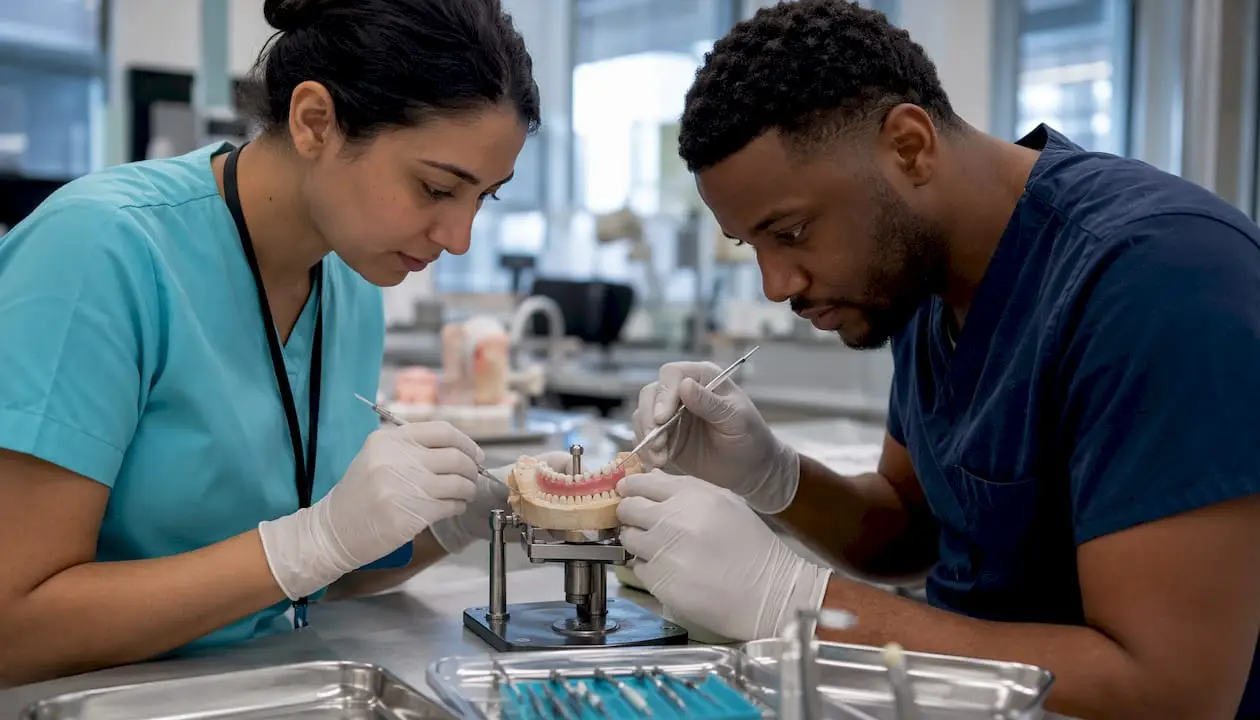
These are the most clinically intensive options. Programs like Jacksonville University’s multi-year paid residency combine university-affiliated clinic rotations with online didactic instruction taught by recognized practitioners. Residents build a documented portfolio of surgical, prosthetic, and maintenance cases across the full scope of implantology. The University of Florida College of Dentistry’s Prosthodontic Implant Fellowship awards CEUs upon completion and covers surgical placement, prosthetic workflows, and CBCT treatment planning. Tuition for that program is competitively priced, paid in installments.
Fast-track implant continuums
Modular series spread over several months give practicing dentists staged exposure without a full residency commitment. Modules typically run over multiple weekends or week-long intensives, covering diagnosis through full-arch prosthetics in sequence. The staged format lets you apply each module’s skills in your own practice between sessions, which accelerates real-world integration.
Short intensive courses and cadaver labs
One- to three-day cadaver or simulation courses target a specific skill: flap design, sinus lift technique, or immediate loading protocols. They are not a substitute for supervised live-patient experience, but they are the fastest way to build procedural familiarity before stepping into a longer program.
Manufacturer and implant-system workshops
These are product-focused, typically free or low-cost, and taught by company-affiliated clinicians. They are useful for learning a specific implant system’s surgical kit and protocol, but they rarely carry meaningful CE credit and do not substitute for mentored live-patient experience.
University certificate and degree tracks
Beyond residencies, some universities offer standalone certificate programs in implantology. These vary widely in clinical exposure and credential weight. Always confirm accreditation status and whether the program’s CE hours map to ABOI/ID requirements before enrolling.
| Format |
Clinical case volume |
Mentorship intensity |
Credential weight |
Time commitment |
Typical cost range |
| Multi-year residency/fellowship |
High (documented portfolio) |
High (daily supervision) |
Strongest (maps to ABOI/ID) |
multi-year duration |
typical higher tuition |
| Fast-track continuum |
Moderate (staged live cases) |
Moderate (module faculty) |
Moderate (CE credit) |
several months duration |
moderate tuition |
| Short intensive/cadaver lab |
Low (simulation or cadaver) |
Low (group setting) |
Limited (CE hours only) |
short duration |
lower tuition |
| Manufacturer workshop |
Minimal (product demos) |
Low |
Minimal |
short duration |
low or no cost |
| University certificate track |
Variable |
Variable |
Moderate to strong |
variable duration |
variable tuition |
Which clinicians should apply, and what are the prerequisites?
Early-career general dentists
If you completed dental school recently and have limited implant placement experience, a structured continuum or university fellowship is the right starting point. You need supervised volume before you can safely expand scope, and a mentored program gives you that with documented case logs.
Experienced general dentists expanding scope
You already have restorative competency and some surgical exposure. A fast-track continuum or a focused fellowship in surgical placement and full-arch prosthetics is typically the most efficient path. The goal is adding complexity, not rebuilding fundamentals.
Specialists seeking cross-training
Periodontists and oral surgeons who want to add prosthetic workflows, or prosthodontists expanding into surgical placement, benefit most from programs that explicitly cover the other side of the implant equation. The University of Florida’s prosthodontic fellowship, for example, can be tailored for those lacking surgical experience.
Internationally trained dentists
If you trained outside the U.S. and want residency-style experience aligned with American standards, programs like Jacksonville University’s explicitly accept foreign dental graduates and provide the clinical documentation needed for ABOI/ID applications.
Common prerequisites across most programs:
- Active DDS or DMD from an accredited institution
- Current, unrestricted state dental license
- Basic surgical experience (extractions, minor oral surgery)
- Restorative competency (crown and bridge, occlusal management)
- For university fellowships: letters of recommendation, current CV, and sometimes TOEFL scores for non-native English speakers
When preparing your application, organize a clinical portfolio that includes case logs with procedure types, photos, and outcomes. Programs that ask for this upfront are usually the ones with serious mentorship structures.
What do implant dentistry courses actually teach?
Strong programs cover seven core modules. Weak ones skip the hard ones.
Core curriculum modules:
- Diagnosis and treatment planning — CBCT interpretation, risk stratification, patient selection, and case sequencing
- Imaging and digital workflows — 3D imaging, digital impressions, guided surgery software, and CAD/CAM prosthetic design
- Surgical placement and flap design — Crestal and flapless approaches, primary stability metrics, torque values, and immediate vs. delayed protocols
- Bone grafting and sinus lifts — Lateral and crestal sinus augmentation, GBR techniques, ridge preservation, and socket grafting
- Immediate loading and full-arch protocols — All-on-X planning, bar and screw-retained prosthetics, and occlusal management for full-arch cases
- Prosthetic and restorative workflows — Abutment selection, emergence profile, cemented vs. screw-retained options, and final restoration delivery
- Maintenance and complication management — Peri-implantitis diagnosis and treatment, mechanical complications, and long-term recall protocols
Measurable learning outcomes to verify:
- Place a single implant with documented primary stability (insertion torque recorded)
- Complete a full-arch treatment plan using guided digital workflow software
- Perform a lateral sinus lift with membrane management under supervision
- Restore an implant from impression through final delivery with documented steps
- Identify and manage at least two categories of surgical complications under mentor review
Competency checklist — ask every program these questions:
- How many supervised placements does each trainee complete?
- Are bone grafting and sinus lifts included in live-patient modules or only in cadaver labs?
- Is full-arch/All-on-X covered at the surgical and prosthetic level, or only one?
- Are complications discussed in case conference format with faculty review?
Jacksonville University’s program, developed with AAID’s postgraduate core curriculum, explicitly covers surgical, periodontal, prosthetic, and long-term maintenance as an integrated multidisciplinary sequence. That breadth is the benchmark to measure other programs against.
What clinical experience should you expect from a program?
Format determines whether you build real competency or just familiarity.
Live-patient supervised placements are the gold standard. A trainee places the implant, manages the surgical site, and documents the case under direct faculty oversight. This is what counts toward ABOI/ID case documentation requirements. Observational cases, where you watch a faculty member operate, do not substitute.
Cadaver and dissection labs let you practice flap design, osteotomy preparation, and grafting techniques on real tissue without patient risk. They are valuable for building procedural muscle memory before live cases, but they should be a precursor to supervised live work, not a replacement.
Model-based simulation is useful for learning implant system mechanics and prosthetic workflows. Most programs use it for the first module before advancing to cadaver or live work.
Hybrid didactic and virtual casework covers treatment planning, imaging interpretation, and case review. Jacksonville University’s model pairs online courses with in-person clinical rotations, which produces higher supervised case volumes because trainees arrive at clinic already prepared.
One-to-one mentorship during live surgery is the format that most directly transfers skill to independent practice. Staged entrustment means the mentor progressively hands over procedural control: observe, assist, perform with supervision, perform independently with post-op review. Ask any program how many cases a current trainee performs as primary operator each month under direct supervision. That number tells you more about mentorship quality than any marketing description.
Pro Tip: When evaluating a program, ask specifically: “In the last cohort, how many live implant placements did the average trainee complete as primary operator?” If the answer is vague or the faculty can’t give you a number, that’s a meaningful signal about the program’s clinical depth.
How do you pick the right program for your goals?
Ranked decision checklist:
- Documented supervised case counts — Get the exact number and types of cases per trainee, in writing. This is non-negotiable for ABOI/ID documentation and for your own competency.
- Faculty credentials and mentorship time — Verify that faculty are active clinicians with diplomate-level credentials, not just academic lecturers. Ask how many hours per week trainees spend in direct one-to-one mentorship.
- CE accreditation mapping — Confirm ADA/CERP or AGD/PACE recognition. Not all CE hours count toward ABOI/ID requirements; verifying CE documentation before enrolling saves significant time later.
- Alumni outcomes — Ask for contact information for recent graduates. A program confident in its outcomes will connect you.
- Cost and time ROI — Calculate the cost per supervised case, not just total tuition. A $40,000 program where you place 80 supervised implants is a better investment than a $15,000 program where you place 10.
Key questions for intake calls:
- What is the exact number and mix of supervised cases (single units, grafts, full-arch) per trainee?
- How are complications managed during training, and who supervises them?
- What are the faculty’s own case volumes and credentials?
- What CE documentation does the program provide, and on whose letterhead?
Red flags: No documented live cases in the curriculum, vague mentorship descriptions (“you’ll work alongside faculty”), CE credits listed without naming the accrediting body, and no alumni references available.
For hands-on seminar formats and what to expect from surgical externships, Onewd’s guide to dental implant seminars covers the evaluation framework in practical detail.
What does it cost, and how does the application process work?
Application logistics
Most university fellowships require a completed application form, a non-refundable fee ($50–$300 depending on the program), a current CV, two letters of recommendation, and sometimes an observed clinical day or portfolio submission. The University of Florida’s prosthodontic implant fellowship has a January 31 application deadline for a July 1 start. Jacksonville University’s program accepts applications on a rolling basis for its cohort model.
For continuum-style programs, enrollment is typically open year-round with cohort start dates every quarter. Short intensive courses often fill 4–8 weeks in advance.
Typical cost ranges
| Program type |
Typical tuition range |
What’s usually included |
| Multi-year residency/fellowship |
— |
Tuition, clinic access, CE documentation |
| University certificate track |
— |
Didactic, some clinical supervision |
| Fast-track continuum (6–12 months) |
— |
Modules, lab fees, some live-patient costs |
| Short intensive/cadaver lab |
— |
Lab materials, CE certificate |
| Manufacturer workshop |
— |
Product training, limited CE |
Financing and employer support
Many group practices and DSOs offer tuition reimbursement for CE that directly expands clinical services. Frame the request around revenue impact: adding implant services typically generates significant practice revenue, making the ROI case straightforward. Some programs offer payment plans tied to module completion. Federal student loan programs do not cover most CE courses, but healthcare-focused personal loans and dental-specific financing programs are available through organizations like Provide (formerly Lendeavor).
How do programs map to ABOI/ID and AAID credential pathways?
The ABOI/ID diplomate certification requires candidates to demonstrate advanced clinical skill through a structured evidence pathway. For general dentists, the pathway requires 670 hours of CE in implant dentistry, documented case submissions, and a two-part examination (Part I written, Part II oral/case presentation).
Specific program completions reduce that CE burden directly. According to ABOI’s Route 1 guidance, a 1-year GPR or AEGD maps to a defined CE credit allocation, and a 2-year program maps to a higher allocation toward the 670-hour requirement. AAID Fellows may be exempt from Part I of the ABOI examination entirely, which is a significant time and cost advantage.
What to collect from every program for your diplomate application:
- Official CE certificate on program letterhead, specifying ADA/CERP or AGD/PACE recognition
- Transcript or letter confirming total CE hours and subject categories
- Documented case logs with procedure types, dates, and supervising faculty signatures
- Faculty CVs confirming their credentials and diplomate status
- Confirmation of whether the program satisfies any ABOI-specific CE category requirements
Not all CE hours are equal in ABOI’s framework. Hours must be in implant-related subjects and must come from recognized providers. A program that offers 40 CE hours in general restorative with a single implant module will not satisfy the same requirement as a dedicated implant continuum. Verify the subject-matter breakdown before enrolling, not after.
For guidance on how online and hybrid formats contribute to CE requirements, Onewd’s 2026 CE guide for online implant courses covers the documentation requirements in detail.
Why a staged, mentorship-led pathway produces better clinical outcomes
Supervised live-patient placements with staged entrustment consistently produce better transfer of skills to independent practice than observation-only or simulation-only formats. The mechanism is straightforward: you build procedural confidence incrementally, with a mentor available to intervene, debrief, and advance your autonomy as competency is demonstrated.
Onewd’s model is built around exactly this principle. The platform offers tiered learning paths from foundational to advanced, with live-surgery modules and one-to-one mentorship as the clinical core. Clinicians can start with an on-demand introduction to implant placement to build didactic preparation, then advance through hands-on modules with increasing case complexity and decreasing supervision.
What makes Onewd’s approach worth evaluating:
- Tiered difficulty levels (foundational through expert) so you enter at the right competency level
- Live-surgery modules with mentorship during actual patient care, not just demonstration
- Accredited CE credits that can contribute to ABOI/ID documentation requirements
- Both online and in-person formats, giving practicing dentists scheduling flexibility
- Documented case logs and CE certificates provided upon completion
A sample progression through Onewd’s model might look like this: start with the online lecture series for single implant placement, move to a hands-on cadaver or simulation module, then advance to a live-surgery mentorship module covering bone grafting or full-arch protocols. Each stage builds on the last, and the documentation accumulates toward your CE and case log requirements.
When you contact Onewd to evaluate fit, ask for the program syllabus, the mentor-to-trainee ratio for live-surgery modules, sample case logs from recent participants, and the CE accreditation letter specifying the recognized provider.
Key Takeaways
The most direct path to clinical competency in implant dentistry combines supervised live-patient cases, staged mentorship, and CE documentation verified by ADA/CERP or AGD/PACE before you enroll.
| Point |
Details |
| Match format to your goal |
Residencies suit diplomate prep; continuums suit practicing dentists expanding scope; cadaver labs suit targeted skill gaps. |
| Supervised cases are the metric |
Ask for the exact number of live placements per trainee as primary operator — this determines real competency gain. |
| CE documentation matters early |
Collect ADA/CERP or AGD/PACE letters, transcripts, and case logs from every program; ABOI/ID requires verifiable documentation. |
| AAID fellowship can exempt candidates from Part I of the ABOI examination |
Completing an AAID fellowship can exempt candidates from Part I of the ABOI examination, reducing the credential timeline. |
| Onewd offers a tiered pathway |
Onewd’s mentorship-led, live-surgery model lets clinicians progress from foundational to expert-level implant skills with accredited CE documentation. |
What most clinicians don’t ask — and should
The standard advice is to pick a program with good reviews and a recognizable name. That’s not wrong, but it misses the more important question: what will you actually be allowed to do?
The gap between “hands-on training” in a program’s marketing and “you perform the procedure as primary operator under direct supervision” is enormous. Many programs that advertise hands-on experience mean you assist a faculty member or work on a model. That builds familiarity, not competency. The clinicians who come out of training ready to place implants confidently are the ones who placed 30, 40, or 50 supervised cases, not the ones who watched 30 and placed 5.
The other thing worth saying plainly: the time-versus-depth tradeoff is real, but it cuts differently than most people assume. A 3-day cadaver course is not a shortcut to surgical competence. It is a preparation tool. If you treat it as the endpoint, you are setting yourself and your patients up for complications that a longer mentored program would have caught. The ethical obligation in implant dentistry is to know exactly where your competency boundary is and to stay inside it until supervised experience moves that boundary outward.
For clinicians with busy schedules, the modular continuum format is genuinely practical. You can integrate training across 6–12 months without shutting down your practice. But only if the modules include live-patient work with real mentorship, not just didactic review. Ask the hard questions before you pay the deposit.
Onewd’s mentorship-led training is worth a closer look
Most implant CE options ask you to choose between depth and convenience. A multi-year residency gives you clinical volume but requires leaving practice. A weekend course fits your schedule but leaves you with CE hours and limited surgical confidence.
Onewd is built for the clinician who needs both. The platform’s tiered, mentorship-driven model starts with foundational online modules and advances to live-surgery experiences where you operate as primary clinician under expert supervision. For dentists targeting full-arch cases, the All-on-X dual arch surgical training course is a direct example of expert-level, hands-on programming with documented case outcomes.
When you reach out, ask for the program syllabus, the mentor-to-trainee ratio for live modules, sample case logs from recent participants, and the CE accreditation letter. Have your current license, CE history, and a brief case portfolio ready. Browse Onewd’s full training course catalog to find the module that matches your current skill level and clinical goals, then request an intake call to confirm fit before enrolling.
Useful sources and next steps for verifying programs
Authoritative organizations to check:
- ABOI/ID — verifies diplomate certification requirements, CE hour mappings, and exam structure for all candidate routes
- AAID — verifies fellowship status, MaxiCourse recognition, and Part I examination exemption eligibility
- ADA/CERP — confirms whether a CE provider is recognized for continuing education credit
- AGD/PACE — alternative CE recognition body; ABOI/ID accepts both
Documents to request from every program before enrolling:
- Program syllabus with module-by-module breakdown and learning objectives
- Faculty CVs confirming active clinical practice and diplomate or fellowship credentials
- Sample case logs showing procedure types and supervised placement counts per trainee
- CE accreditation letter on official letterhead specifying the recognized provider and total CE hours
- Alumni contact references from the most recent cohort
Immediate next steps:
- Schedule an observation or audit day at any program you are seriously considering.
- Request a sample syllabus and compare module content against the competency checklist in this article.
- Confirm CE accreditation status with ADA/CERP or AGD/PACE directly before paying any deposit.
- For clinicians at a general practice integrating implant services, a partner clinic like South Seattle Smiles illustrates how advanced training translates into expanded clinical offerings at the practice level.
Recommended