Course Recap
Surgical Site Development: Extraction & Ridge Preservation Masterclass
Completed Course · April 2026
Dr. Kambez Shukoor · Dr. Niven Tien

One World Dental Media
Explore highlights from past One World Dental courses, training programs, lectures, and hands-on educational experiences.
Featured Recap
Course Recap · Completed Course
Highlights from this completed One World Dental course on extraction, socket preservation and ridge development.
Recent Course Recaps
Course Recap
Completed Course · April 2026
Dr. Kambez Shukoor · Dr. Niven Tien
Course Recap
Completed Course · Maggiano's · August 2026
Dr. Kambez Shukoor · Dr. Niven Tien
For Clinicians
These 31 cases were treated by Dr. Kambez Shukoor, DDS, FAGD, FICOI, and are shared with patient permission so practitioners can study real treatment outcomes. Look at how the restorations relate to the lips, whether the gingival line is even, and whether the result suits the face. Drag the handle on each case to compare before and after. Outcomes depend on each patient's starting condition, bone and occlusion.
Loading case images…


Porcelain Veneers
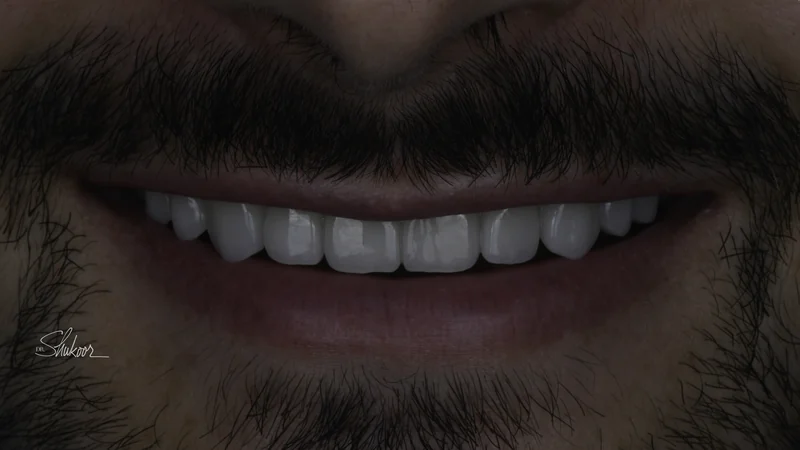
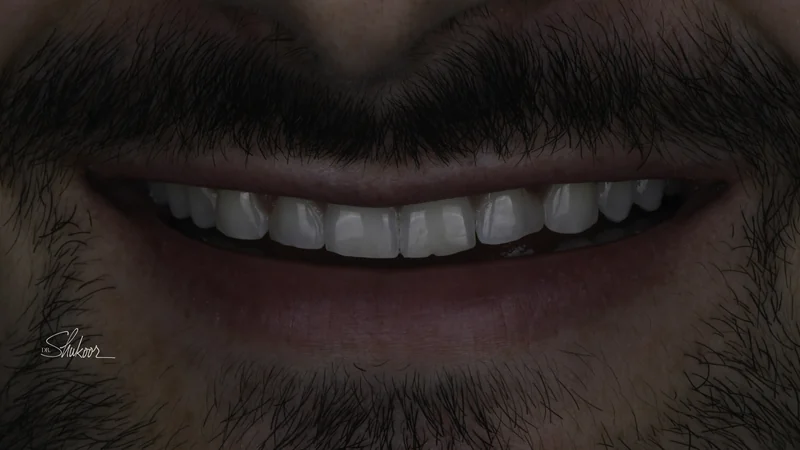
Years of staining, chips along the biting edges, and an older restoration that no longer matched had left this patient's smile looking tired. Whitening alone couldn't address the shape and edge damage, so Dr. Shukoor rebuilt the smile with porcelain veneers — correcting the shade, restoring the chipped edges, and replacing the mismatched restoration in the process. The close-up view shows the detail work on the front teeth; the portrait shows the confidence that came with it.
Explore Veneers vs CrownsLoading case images…
Porcelain Veneers
This patient presented with front teeth that were worn, chipped, and visibly uneven — the edges had shortened over time and the surface texture made the smile look aged beyond her years. Dr. Shukoor designed a set of porcelain veneers that restored natural length, closed the worn edges, and brought the shade up to a bright but believable tone. The close-up view shows the level of surface detail modern porcelain can replicate; the full smile view shows how naturally the result sits in her face. She's shown smiling confidently in her after portrait — glasses, lipstick, and all.
Explore Veneers vs CrownsLoading case images…
Porcelain Veneers
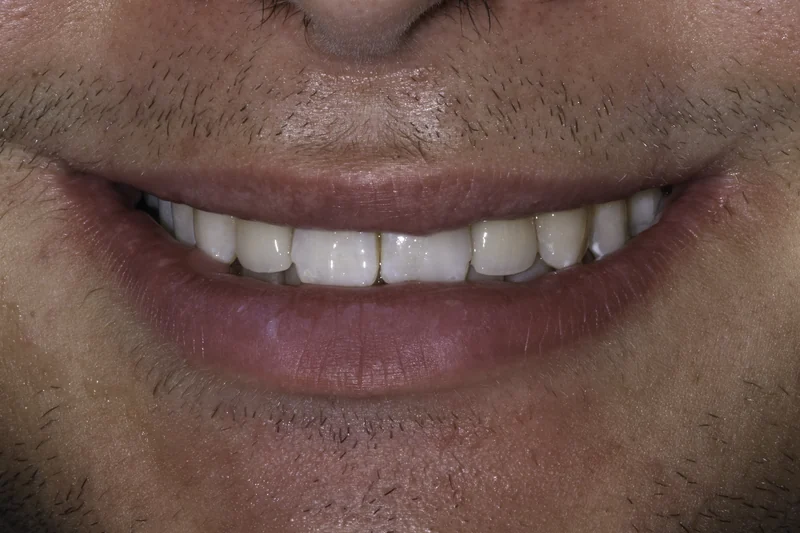
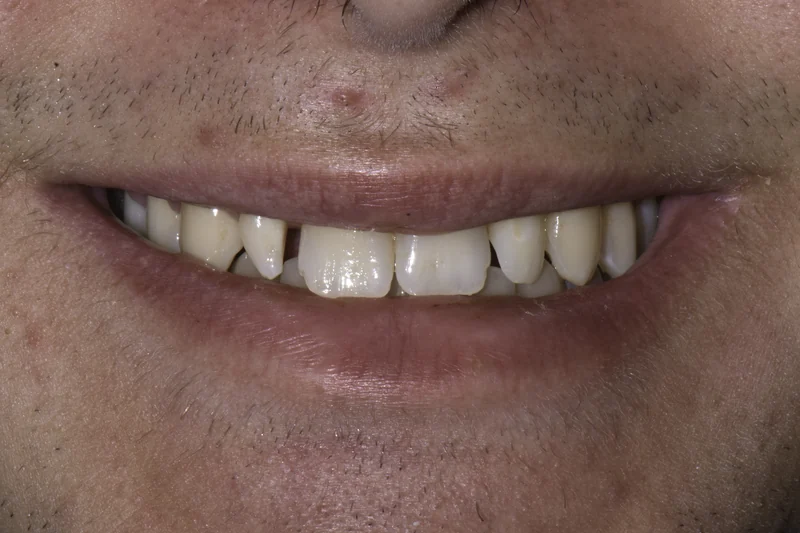
This patient's upper front teeth had never quite matched: the lateral incisors were small and peg-shaped, the edges sat at different heights, and the overall smile looked narrow and uneven. Porcelain veneers gave us control over all of it at once. Each veneer was designed to bring the undersized teeth up to natural proportion, level the biting edges into one smooth curve, and widen the smile so it fills the frame of the lips. The porcelain was shaded to a natural, believable white with the subtle translucency of real enamel — bright, but unmistakably his.
Explore Veneers vs CrownsLoading case images…
Porcelain Veneers
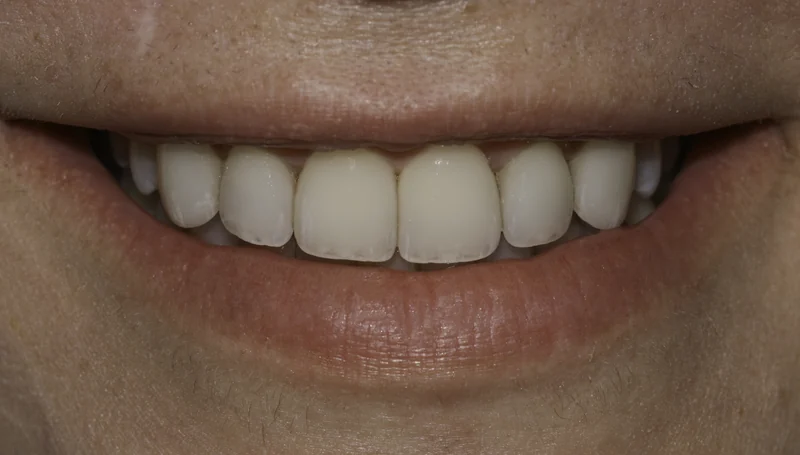
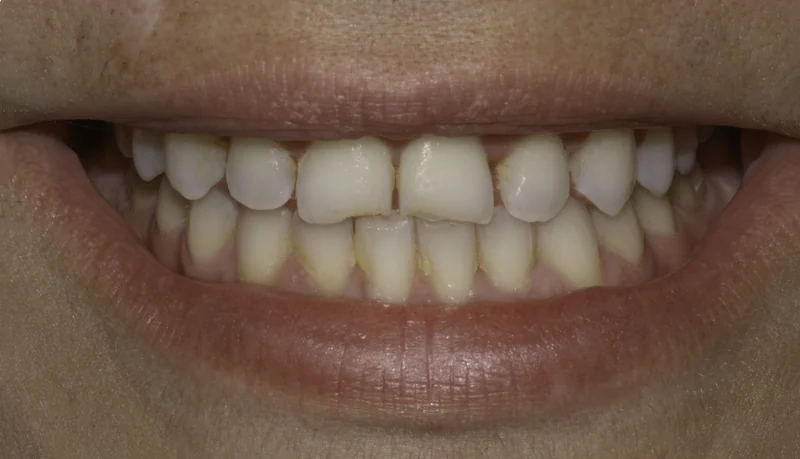
Years of wear had left this patient's front teeth chipped at the edges, flattened at the biting surface, and patchy in color — the kind of accumulated damage that whitening or bonding alone can't fully correct. Porcelain veneers restored what time had taken: the lost length was rebuilt, the chips and irregular edges disappeared under new porcelain surfaces, and the shade was unified into a clean, natural white. Because the veneers were planned as a set, the finished teeth share one design — matching shapes, matching proportions, and a smooth, continuous smile line.
Explore Veneers vs CrownsLoading case images…
Porcelain Veneers
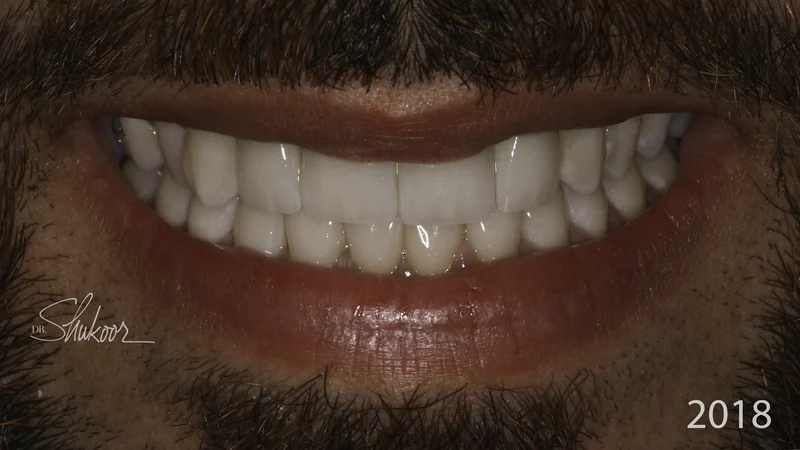
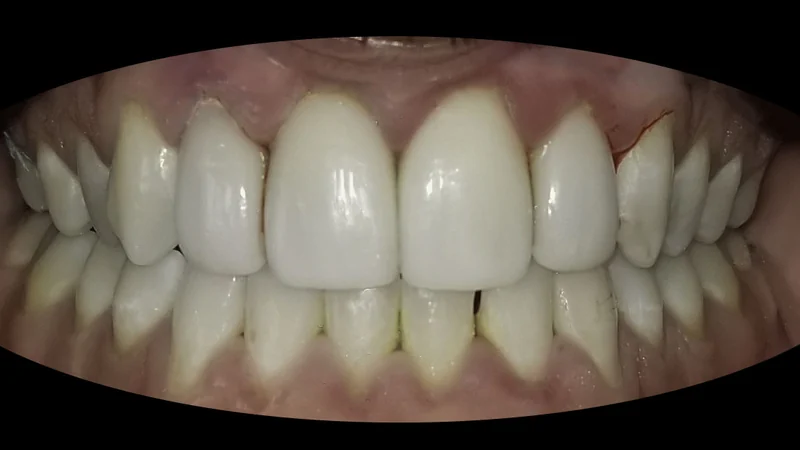
The upper front teeth told a story of patchwork fixes — different shapes, sizes, and shades from one tooth to the next, with one lateral standing out darker than its neighbors. Rather than continue repairing teeth one at a time, Dr. Shukoor restored the visible smile zone with porcelain veneers planned as a single design, so every tooth finally matched in proportion and color. The result is the kind of smile that looks like it was always his.
Explore Veneers vs CrownsLoading case images…
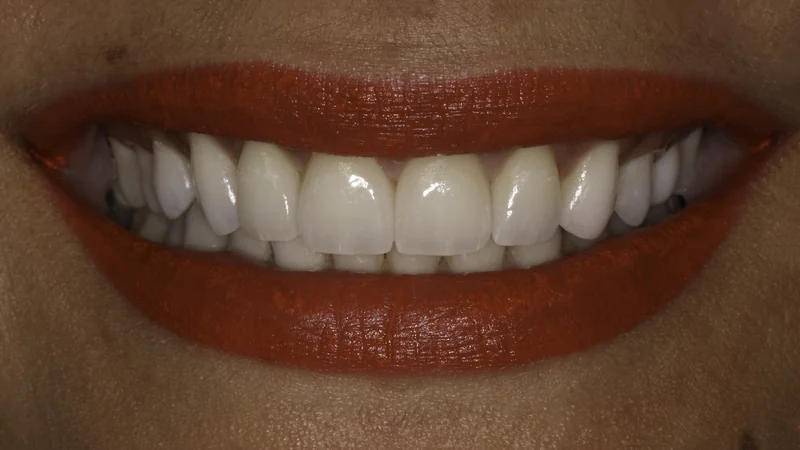
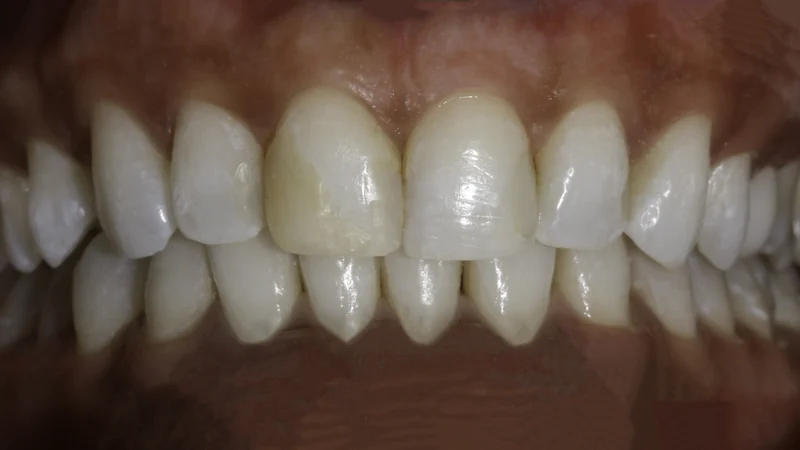
Porcelain Veneers
A gap between the two front teeth — a diastema — was this patient's longtime frustration. Porcelain veneers let Dr. Shukoor close the space while keeping the proportions of the front teeth looking natural, widening each tooth just enough so the result doesn't read as oversized. The after photo shows a bright, even smile with no trace of the original spacing.
Explore Veneers vs CrownsLoading case images…
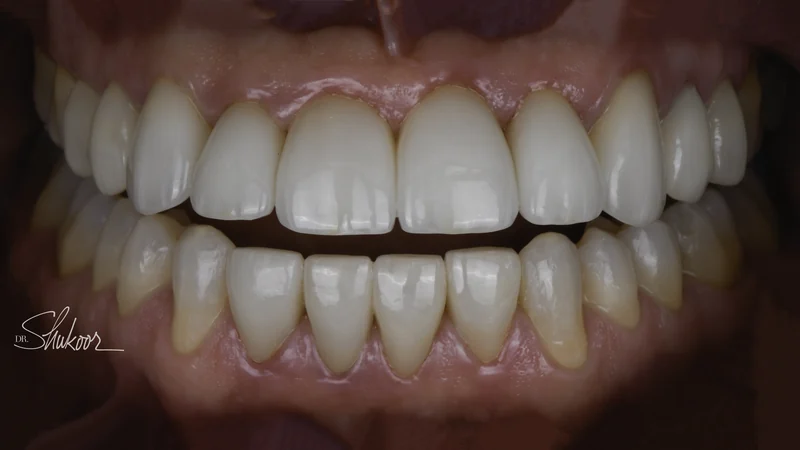
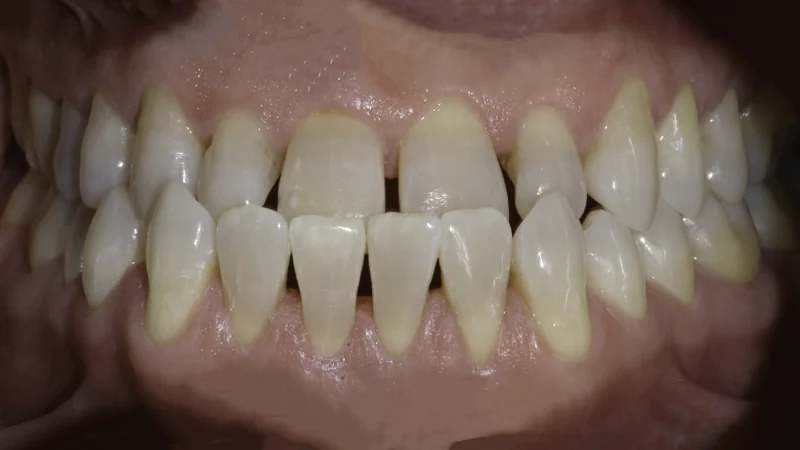
Porcelain Veneers
This patient's teeth were naturally narrow with spacing across the front of the smile, making the arch look small relative to her face. A broader set of porcelain veneers filled out the smile's width, closed the spacing, and gave each tooth a fuller, more proportionate shape. The finished smile is noticeably brighter and wider — and still unmistakably hers.
Explore Veneers vs CrownsLoading case images…
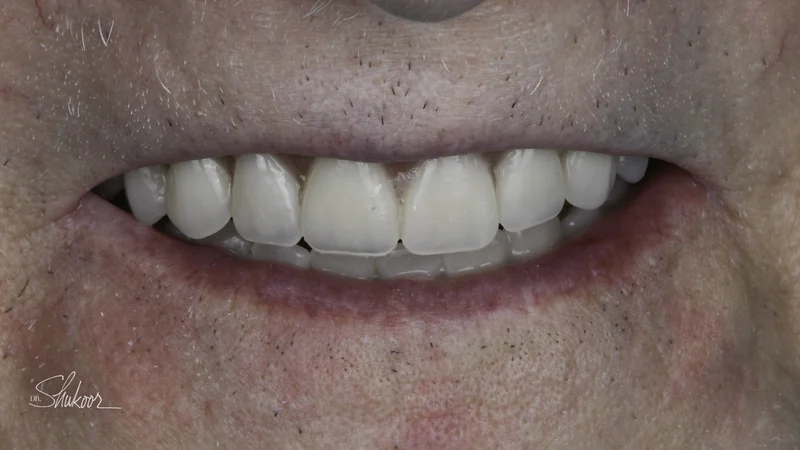
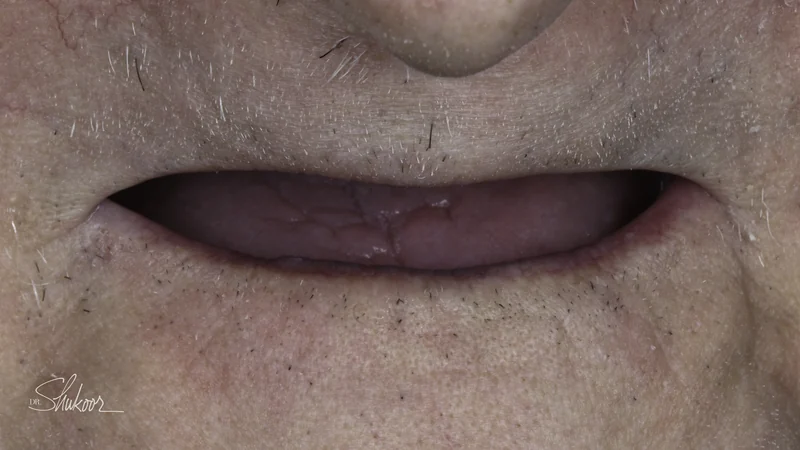
Tooth Replacement
With no remaining teeth, this patient had lost the lip and cheek support that natural teeth provide. Custom dentures were designed with attention to tooth size, midline, and the amount of tooth shown at rest, so the result reads as a natural smile rather than a generic set of teeth. The bite was balanced across both arches for comfortable chewing and stable seating.
Explore Implant CoursesLoading case images…
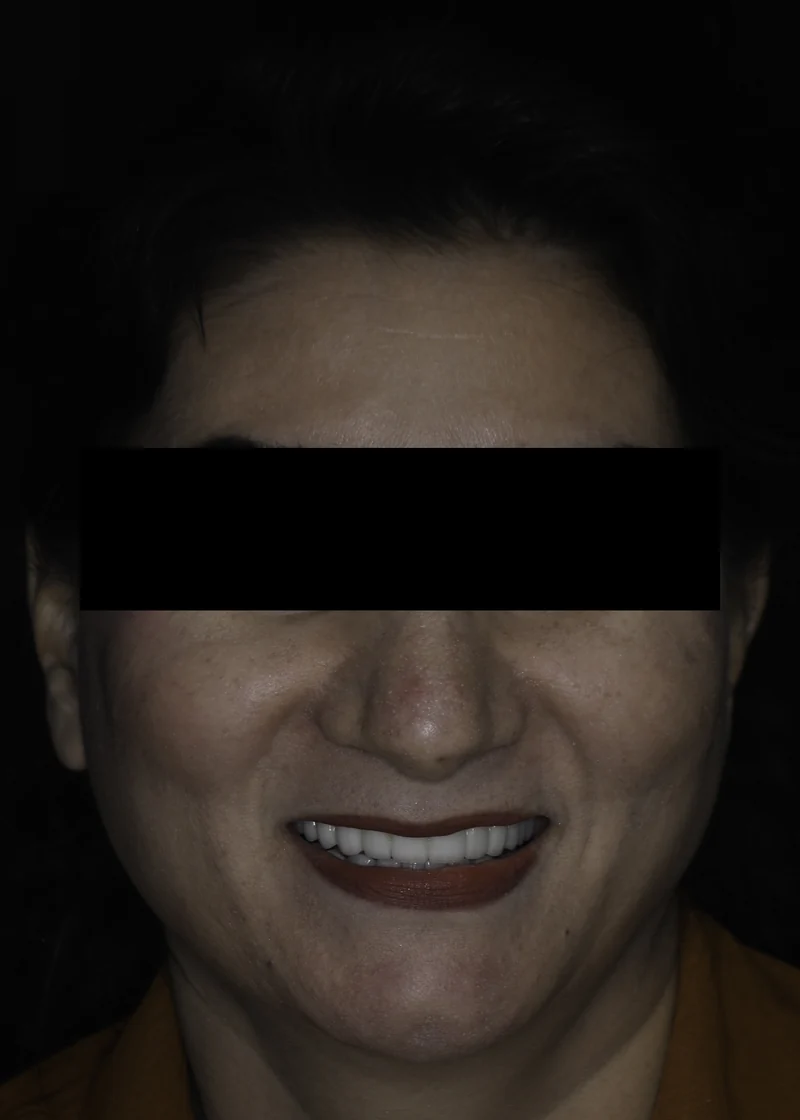
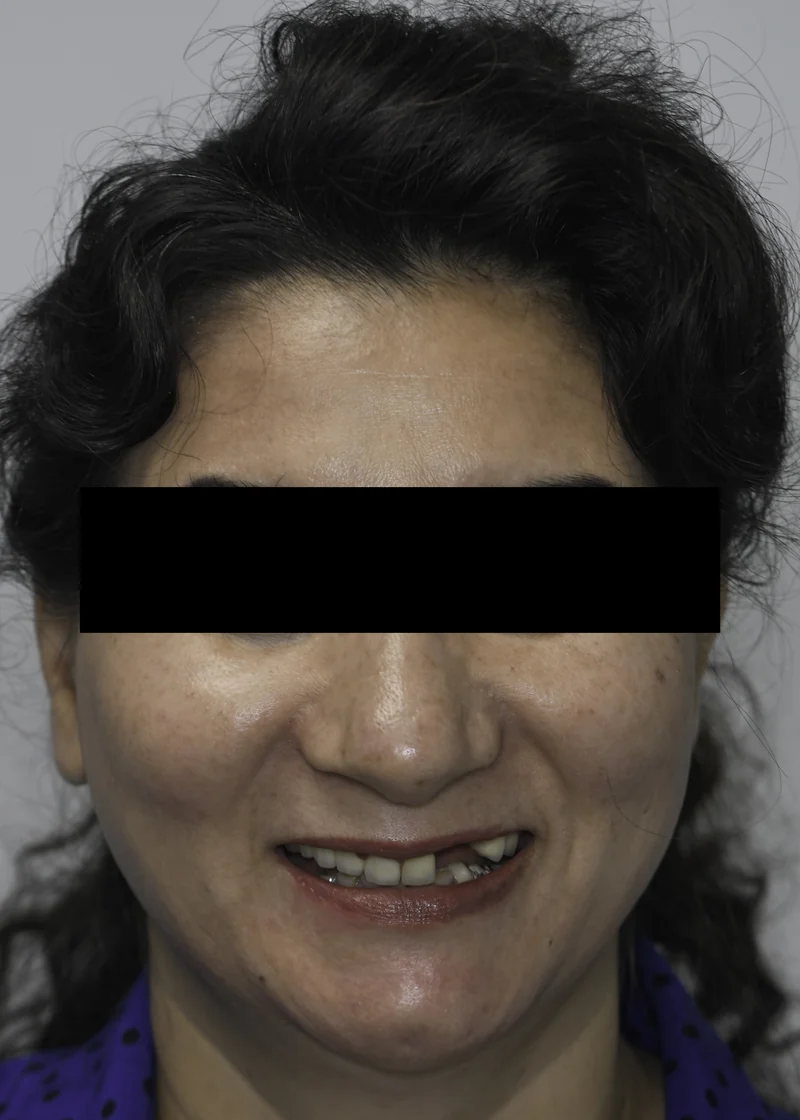
Tooth Replacement
When a tooth is lost, the teeth on either side begin to drift into the space and the opposing tooth can over-erupt, which gradually unravels the bite. Here a single dental implant was placed into the healed site and restored with a custom crown shaped and shaded to sit naturally in the arch — closing the gap, protecting the neighboring teeth from further shifting, and restoring full chewing force without touching the healthy teeth beside it.
Explore Implant CoursesLoading case images…
Tooth Replacement
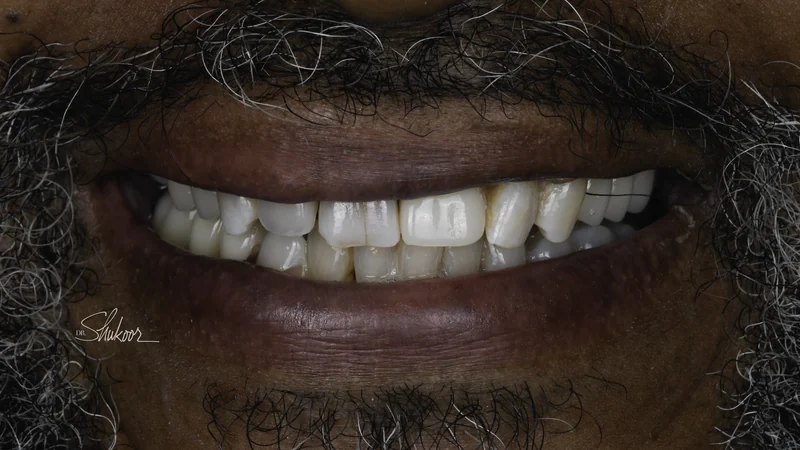
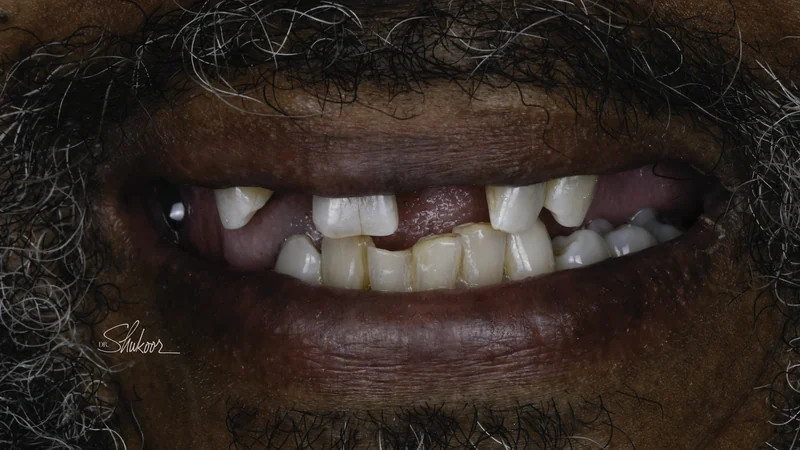
A dental flipper is a lightweight removable appliance that restores a missing front tooth immediately — useful while an implant site heals or while a longer treatment plan is finalized. Here it closed the gap in the smile line and restored normal speech and confidence right away, with the tooth shade and gum contour matched to the neighboring teeth.
Explore Implant CoursesLoading case images…
Cosmetic Bonding
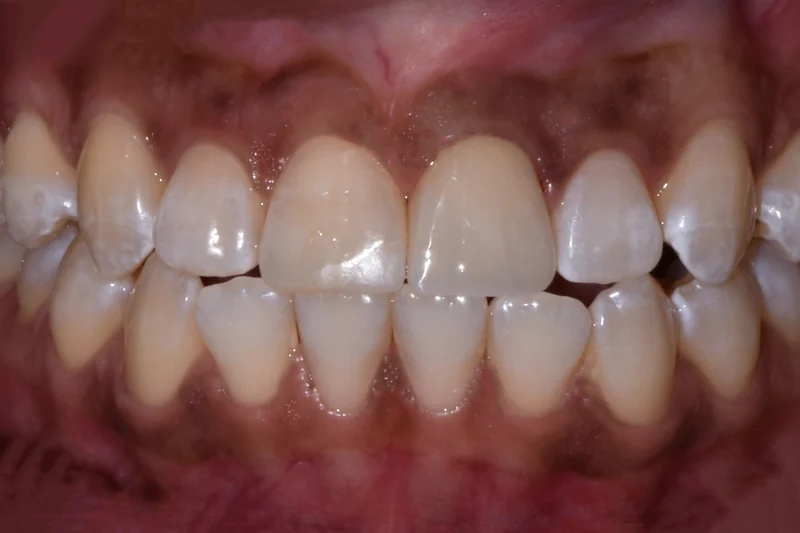
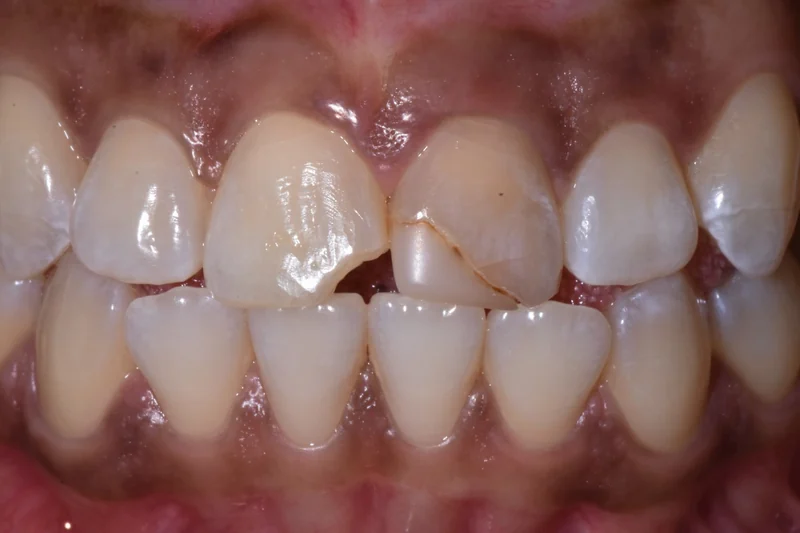
This patient presented with a visible fracture across one upper central incisor and matching wear along the adjacent incisal edges, the kind of damage that usually accumulates from a single accident on top of years of edge-to-edge grinding. Because the enamel around the fracture was still healthy and the bite was stable, Dr. Shukoor treated it conservatively with direct composite bonding rather than crowns or veneers. The tooth surface was cleaned and lightly conditioned, then tooth-colored composite was placed in thin layers and shaped freehand to rebuild the missing corner, restore the original tooth length, and re-establish a symmetrical smile line across the front teeth. Each layer was shade-matched against the neighboring enamel so the repair disappears into the natural tooth, including the subtle translucency at the incisal edge. The restoration was then contoured, polished, and checked in function so the rebuilt edges take normal biting forces without catching. The entire case was completed in one appointment, with no anesthesia needed beyond patient comfort and no reduction of sound tooth structure — meaning veneers or crowns remain fully available in the future if the patient ever wants them. Result: an even, natural-looking smile line and edges that no longer feel sharp to the tongue or lip.
Explore Cosmetic CoursesLoading case images…
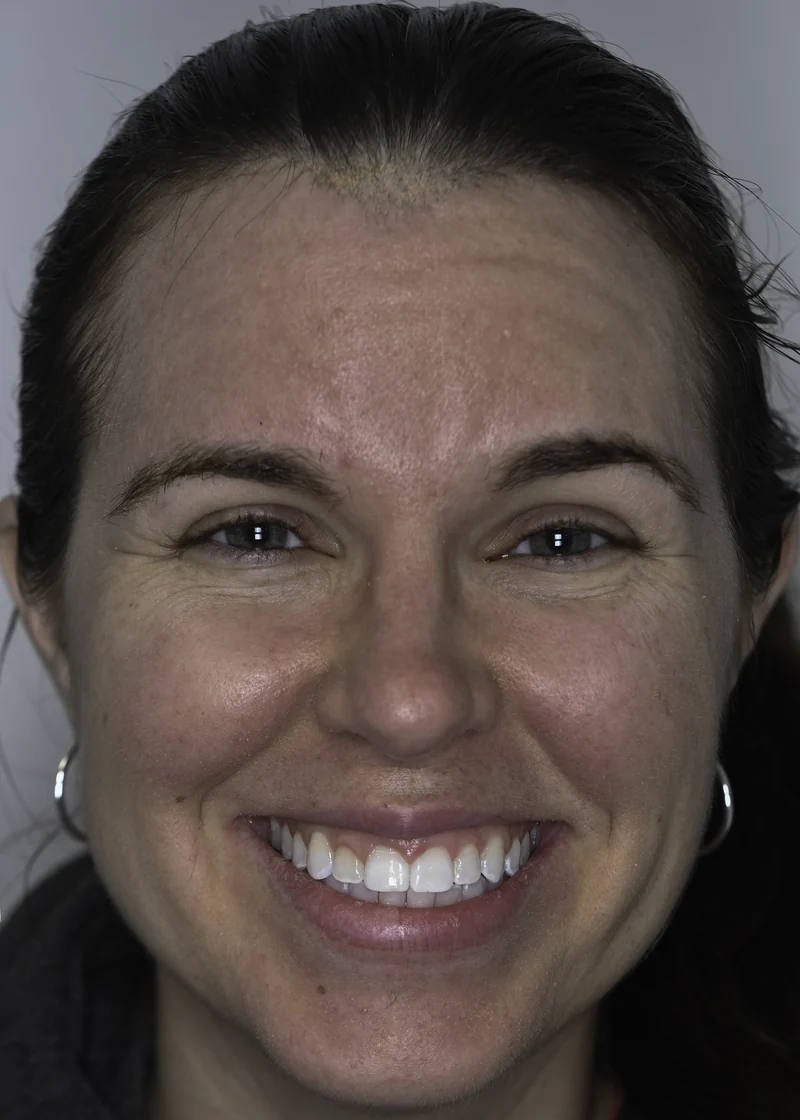
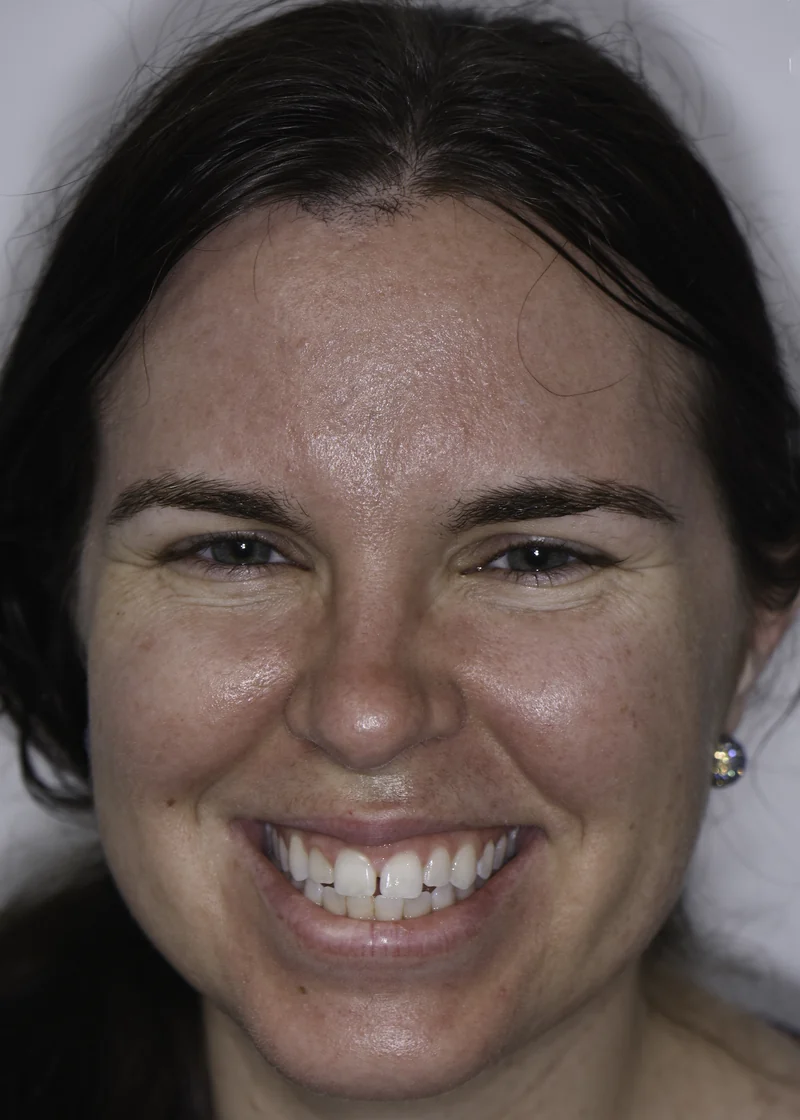
Clear Aligners
This case combined mild spacing with individually tipped and rotated teeth. Aligner therapy closed the irregular gaps and uprighted the rotated teeth so the upper and lower arches meet evenly, producing a smile line that reads as balanced rather than patched.
Explore Clear Aligner CoursesLoading case images…
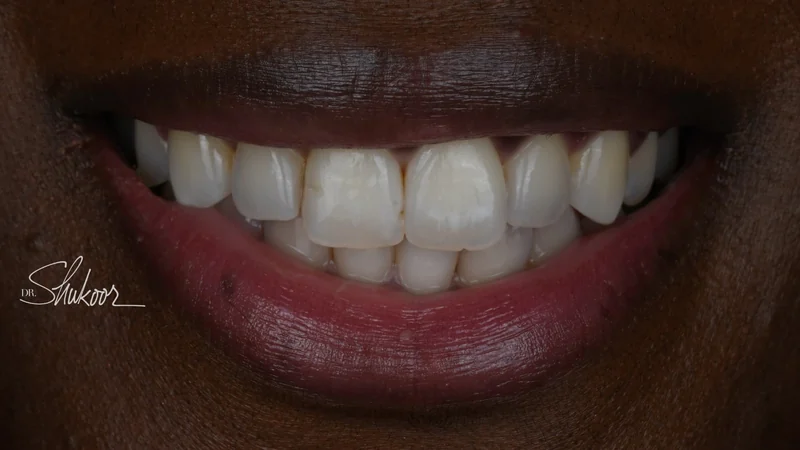
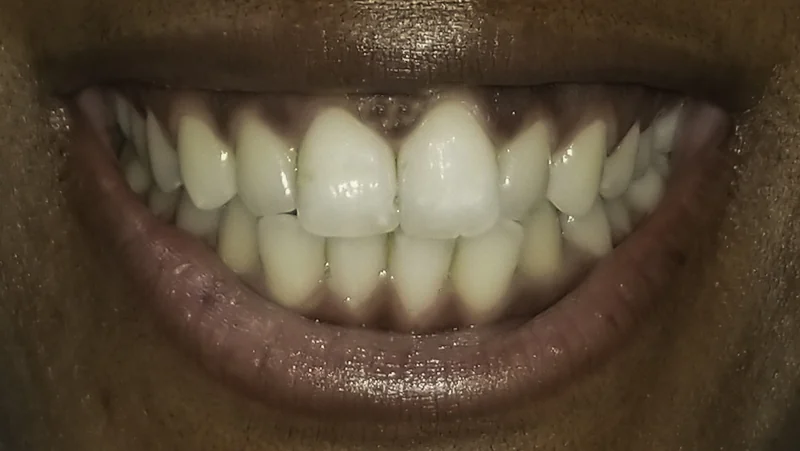
Clear Aligners
Crowding on both arches was corrected with a digitally planned series of clear aligners. Each tray moved the teeth a fraction of a millimeter, unwinding the rotations and creating room for the front teeth to line up along a smooth arch. Straighter teeth here are not only a cosmetic gain — overlapping surfaces trap plaque and are far harder to floss, so alignment also makes daily hygiene meaningfully easier.
Explore Clear Aligner CoursesLoading case images…
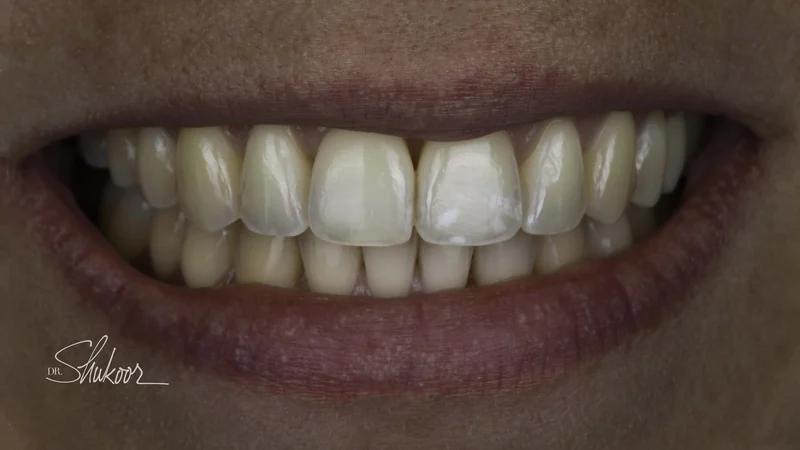
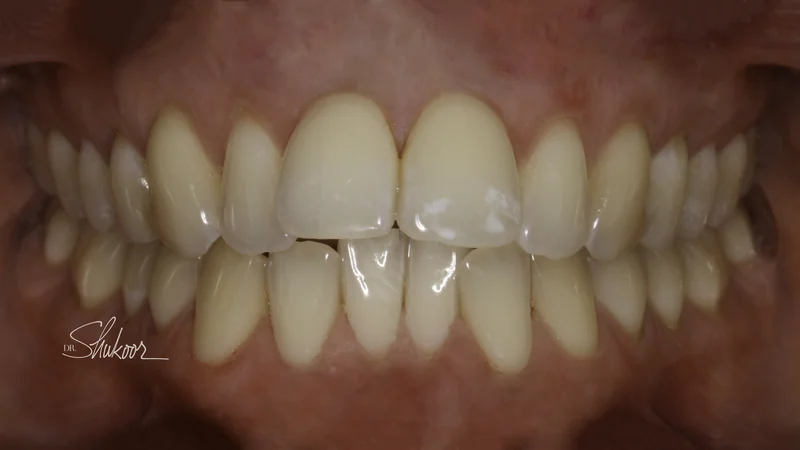
Clear Aligners
Uneven front teeth had been wearing against each other at the edges. Aligner treatment repositioned them so the forces spread evenly across the arch, leveling the smile line and protecting the edges from continued chipping.
Explore Clear Aligner CoursesLoading case images…
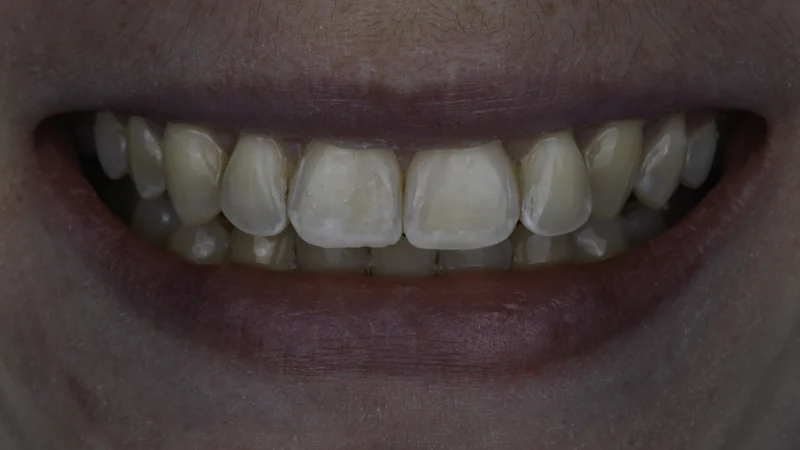
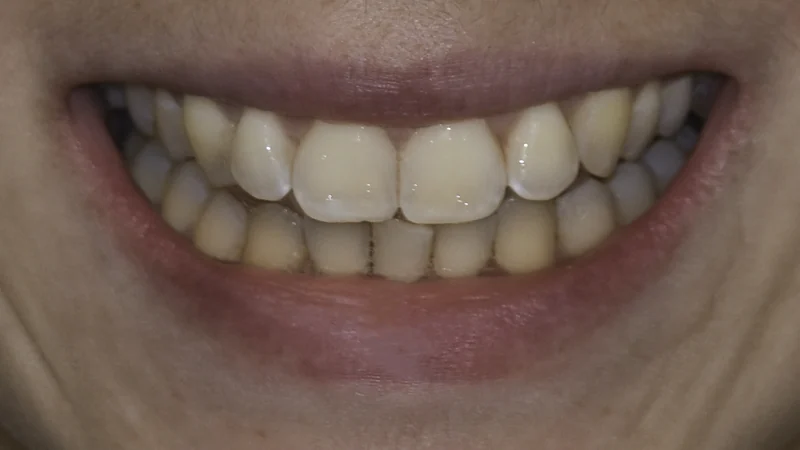
Clear Aligners
Overlap across the upper front teeth was resolved in stages, each tray worn full-time and swapped on schedule. The finished alignment shows a continuous, even arch with the midline centered under the lip.
Explore Clear Aligner CoursesLoading case images…
Clear Aligners
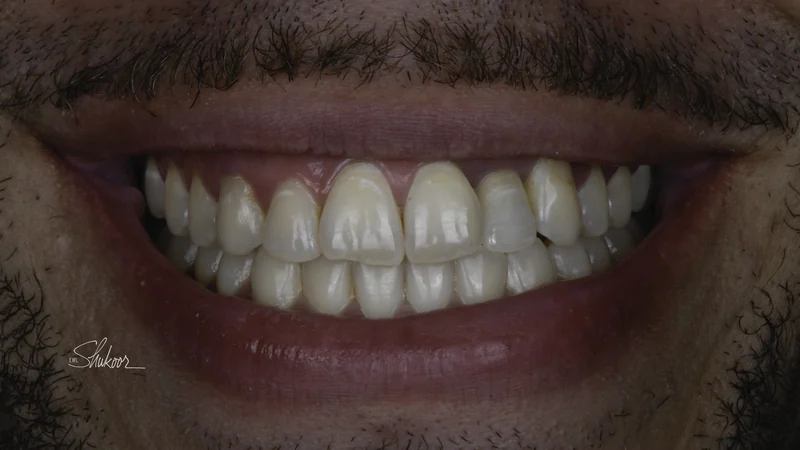
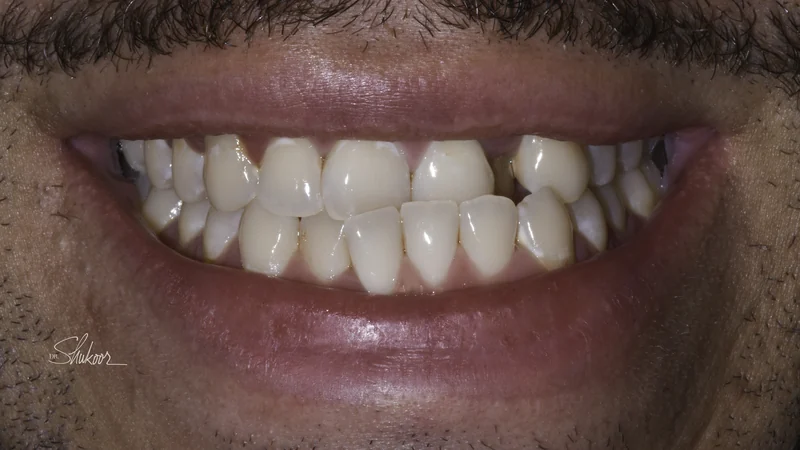
Rather than removing tooth structure to make room, the aligner plan used gentle arch development to create space, then rotated each crowded tooth into position. The result is a fuller smile with the front teeth aligned along a natural curve.
Explore Clear Aligner CoursesLoading case images…
Full-Arch Implants
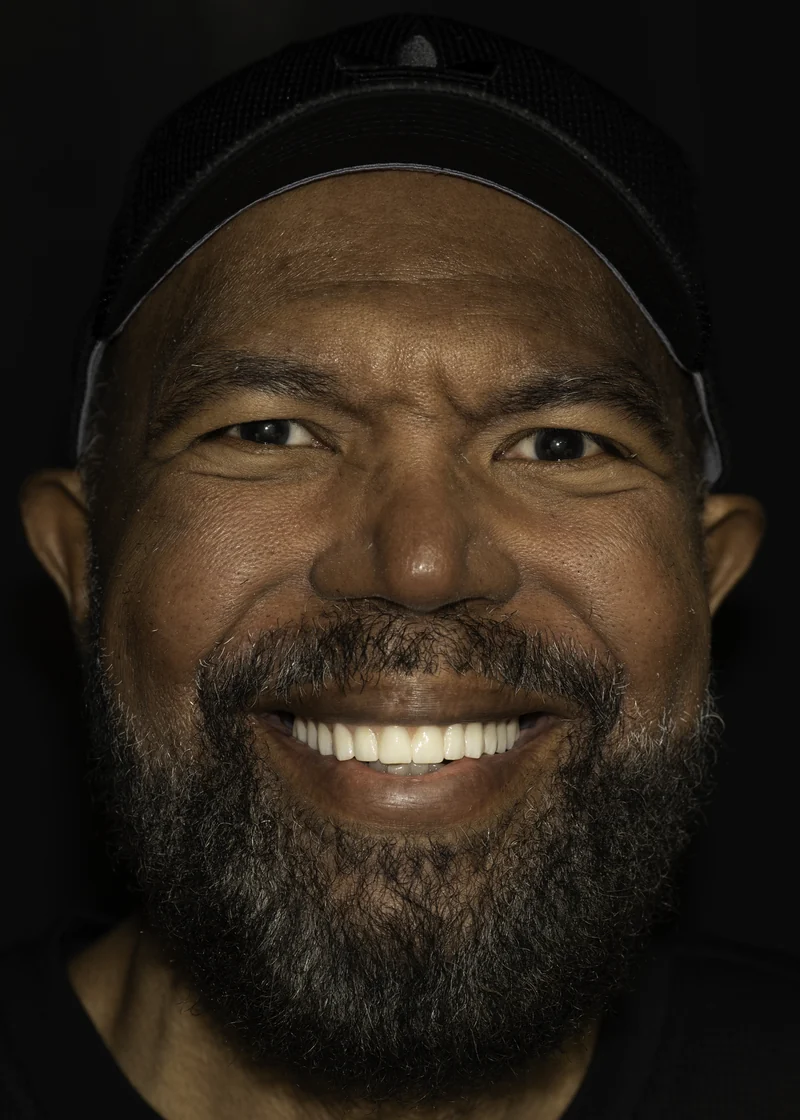
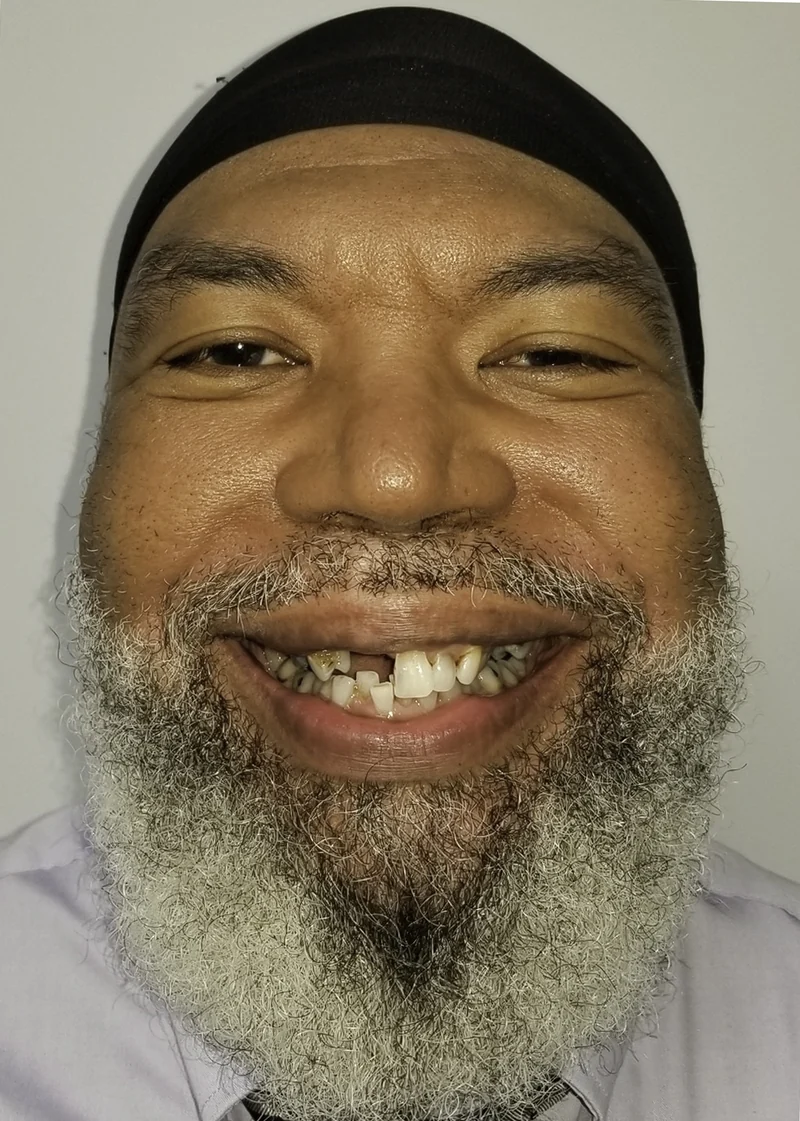
This patient had lost multiple teeth and the remaining ones were heavily broken down, making chewing painful and unpredictable. A full-arch implant plan removed the unsalvageable teeth, placed implants into the available bone, and delivered fixed restorations shaped for the patient's face — restoring a confident smile and the ability to eat normally again.
Explore Implant CoursesLoading case images…
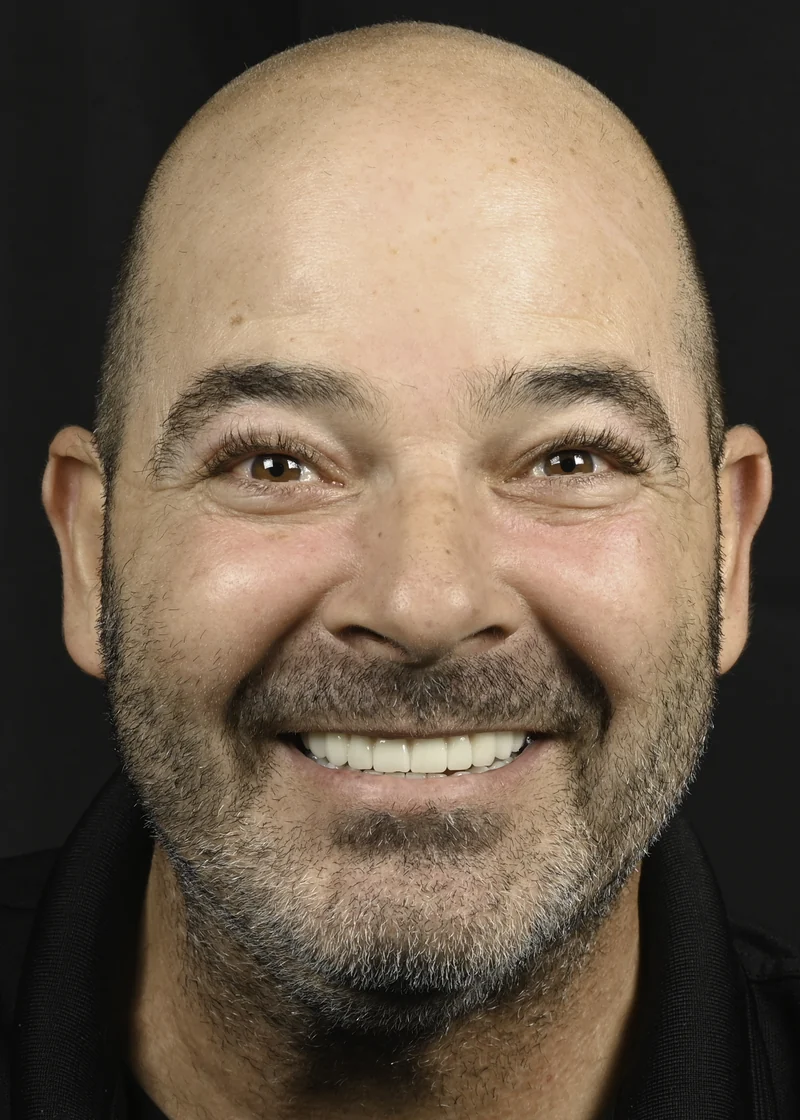
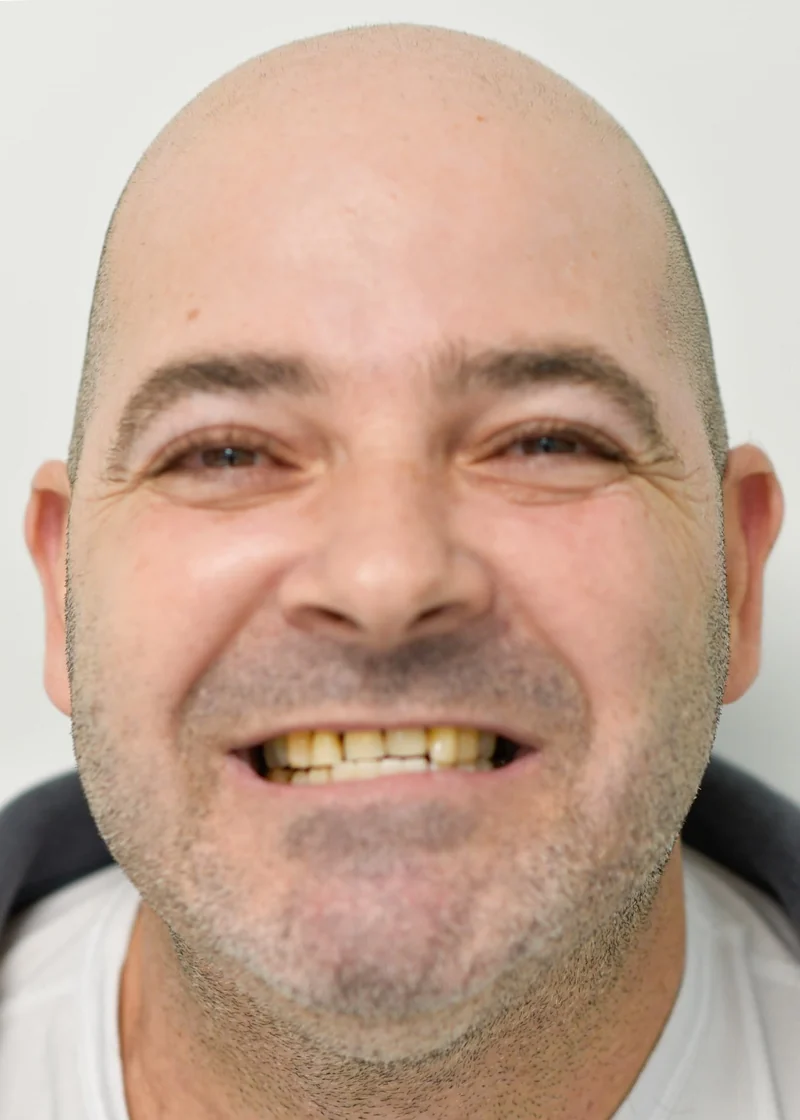
Full-Arch Implants
Decades of wear had shortened the teeth and darkened the enamel beyond what whitening or bonding could address. Implant-supported arches restored proper tooth length and a natural shade, re-establishing the vertical dimension of the bite as well as the look of the smile.
Explore Implant CoursesLoading case images…

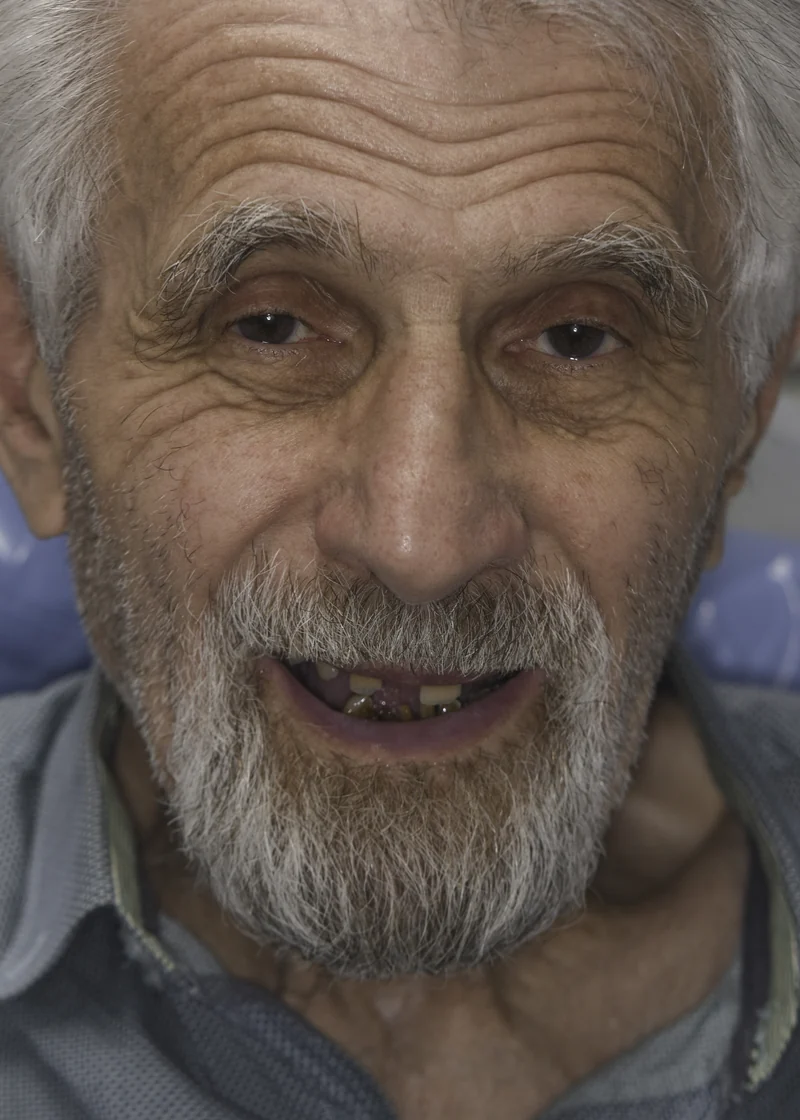
Full-Arch Implants
This full-mouth case rebuilt the upper and lower arches together, which allows the bite to be designed as a single unit rather than fitted around compromised teeth. Implants were positioned where the bone was strongest, and the final restorations were shaped to support the lips and cheeks while delivering comfortable, even chewing.
Explore Implant CoursesLoading case images…

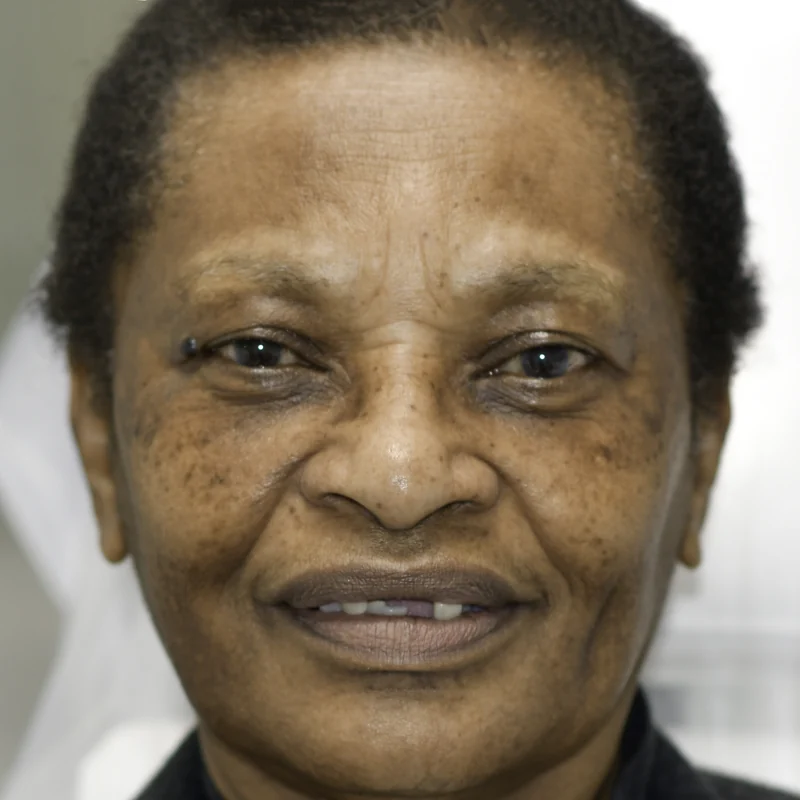
Full-Arch Implants
Rather than patching individual failing teeth, this case treated the arch as one unit: the unsalvageable teeth were removed, implants were placed into healthy bone, and a fixed restoration was designed for even contact, natural tooth proportion, and a shade that suits the patient's face. The result is a stable bite and a smile that no longer needs to be hidden.
Explore Implant CoursesLoading case images…
Full-Arch Implants
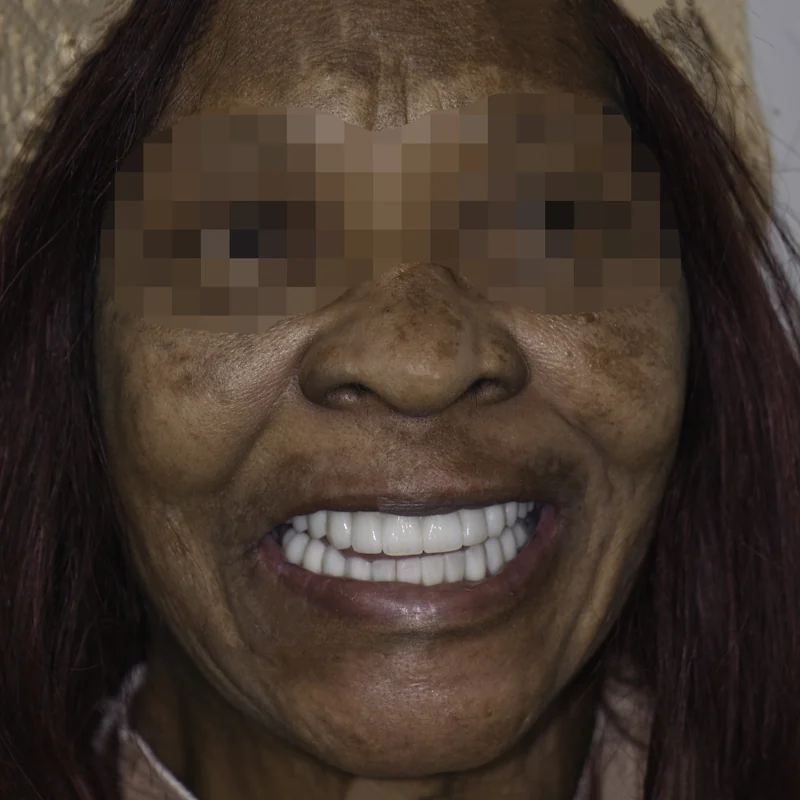
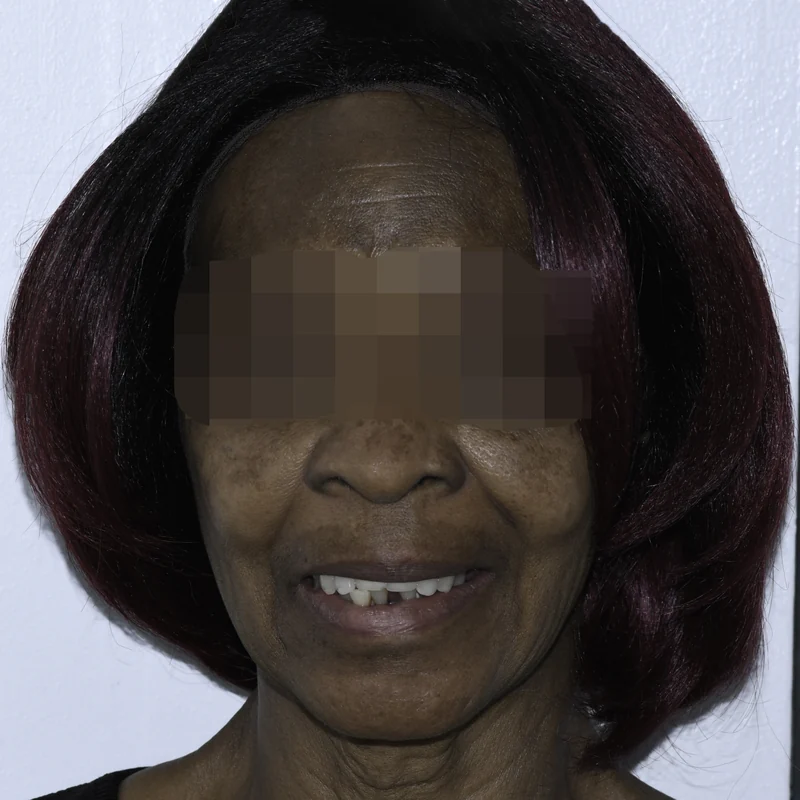
When most teeth in an arch are failing, replacing them one at a time is slower and more expensive than treating the arch as a whole. Here the remaining teeth were removed and a fixed, implant-anchored arch was placed, restoring both appearance and full chewing function with teeth that stay in the mouth rather than coming out at night.
Explore Implant CoursesLoading case images…

Full-Arch Implants
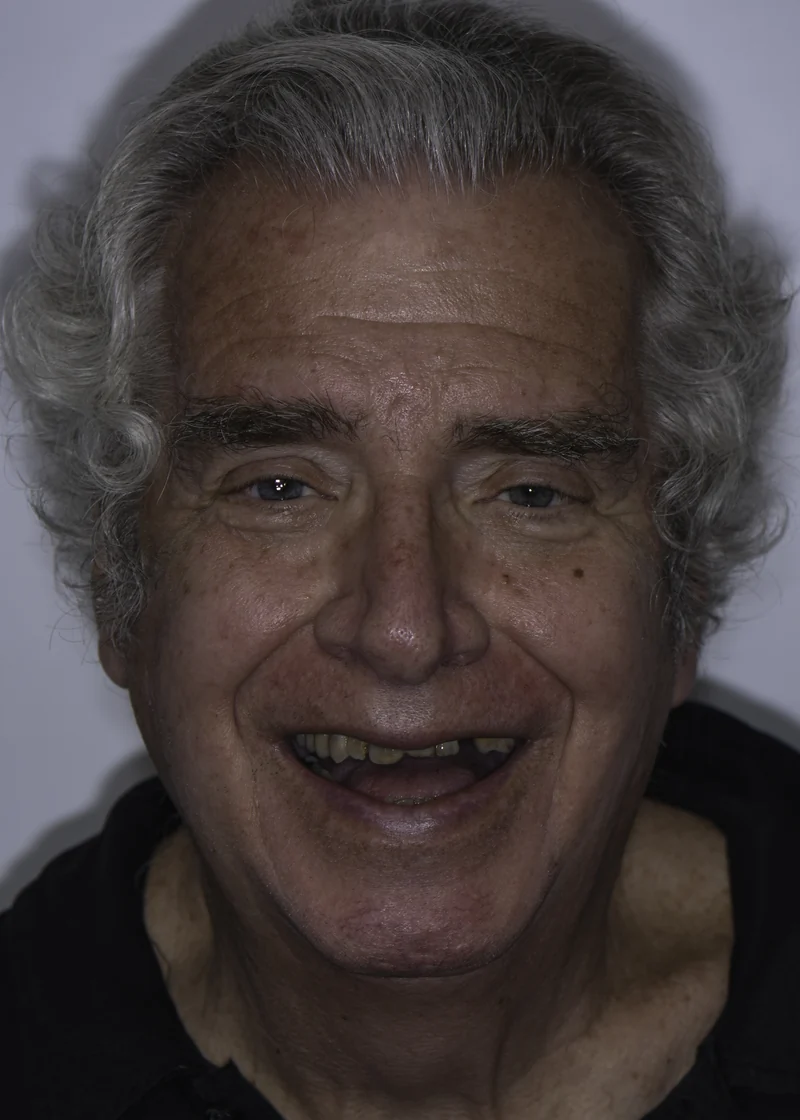
Advanced periodontal disease had left the remaining teeth mobile and the gum tissue inflamed. After removing the compromised teeth and allowing the tissue to heal, implants were placed and fixed arches delivered — eliminating the source of chronic infection while restoring a full, healthy-looking smile.
Explore Implant CoursesLoading case images…
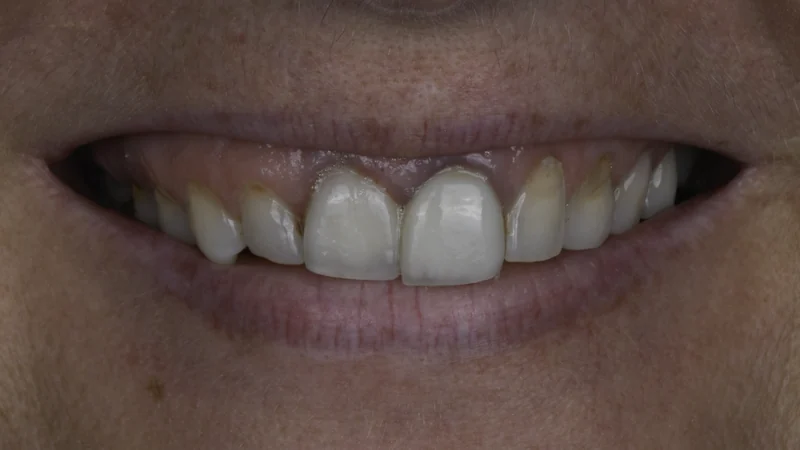
Full-Arch Implants
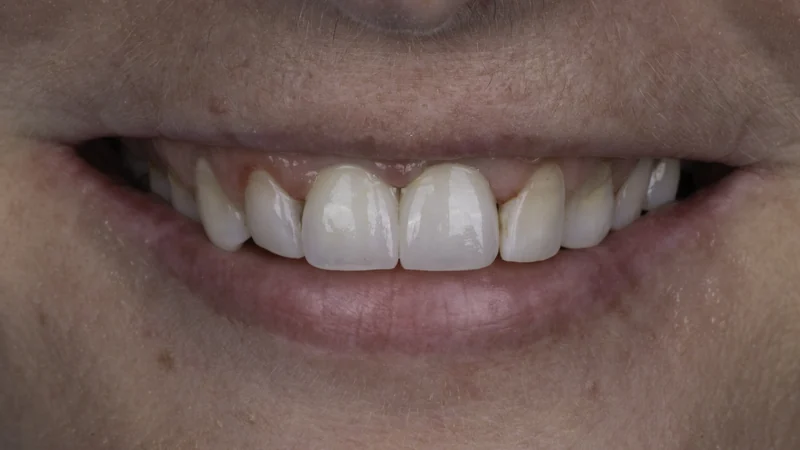
Older crowns on the front teeth had darkened over time, with gray margins showing at the gumline that made the smile look aged and unhealthy. The failing restorations were replaced with new implant-supported crowns, matched in shade and shaped to blend with the neighboring teeth — restoring a bright, natural-looking front smile line.
Explore Implant CoursesLoading case images…
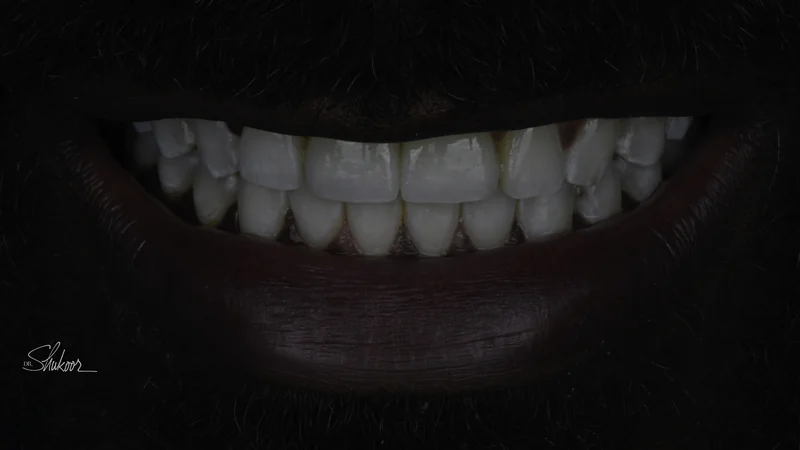
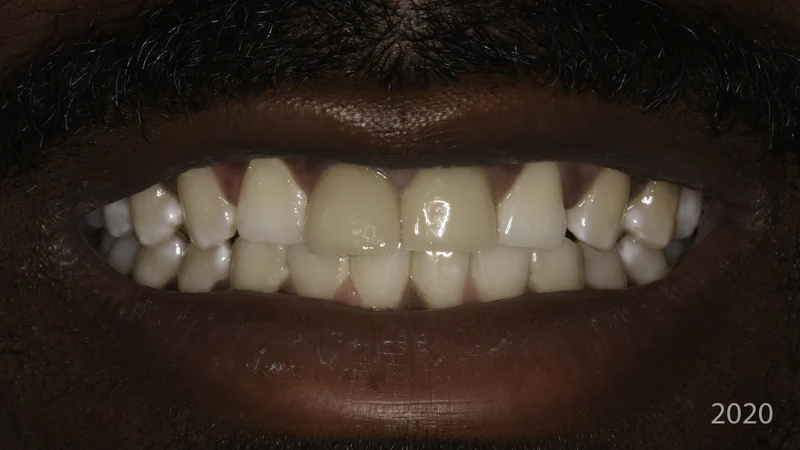
Full-Arch Implants
The front teeth had darkened and worn down over the years, leaving an uneven, aged smile line that showed every time this patient smiled. Implant-supported crowns rebuilt the front teeth — restoring their length, evening out the smile line, and lifting the shade to a brighter, natural tone. The retracted and close-up views show how the new restorations blend with the surrounding teeth and gums.
Explore Implant CoursesLoading case images…
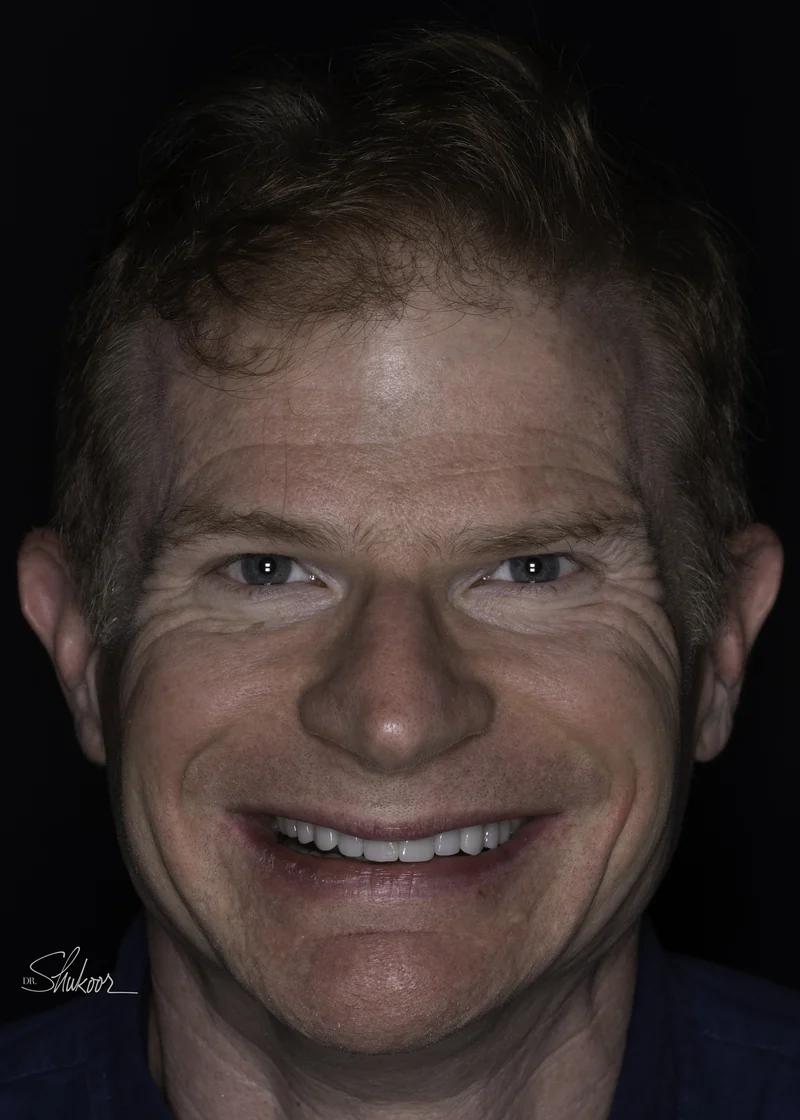
Smile Makeovers
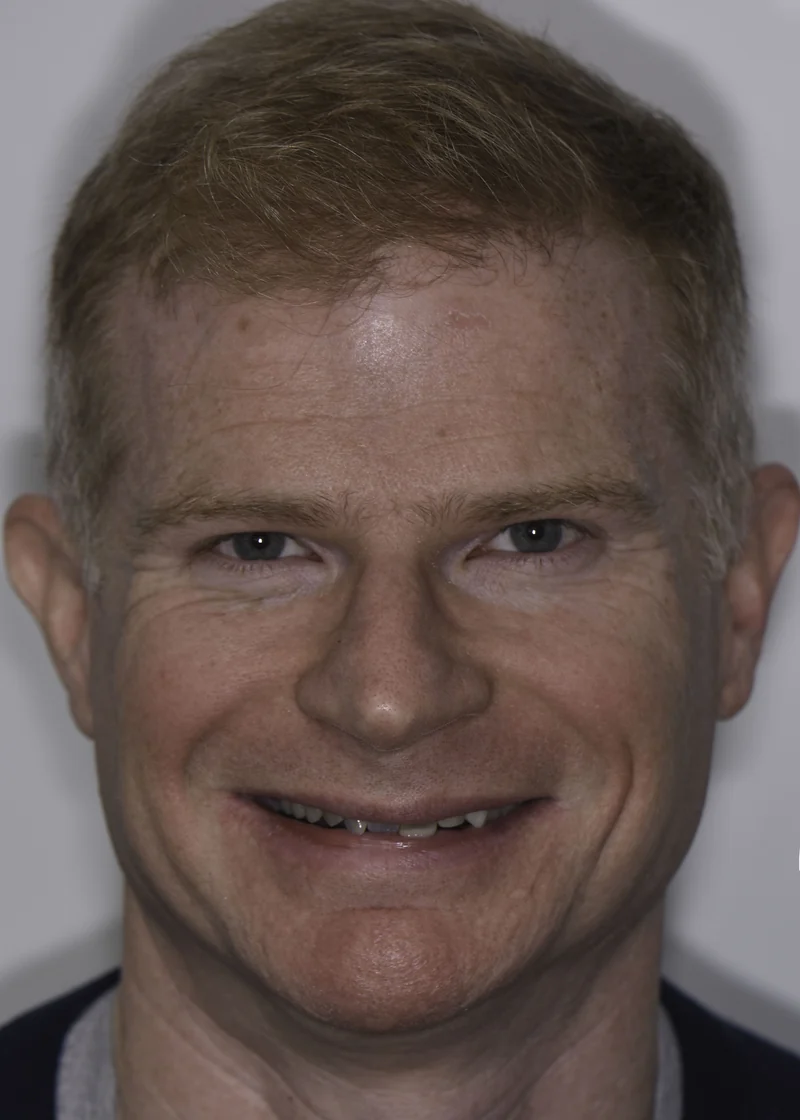
This patient presented with damage spread across nearly every tooth — chips, deep staining, and edges worn at different heights, which made the smile look older and made chewing uneven. Treating one or two teeth would never have blended in. A full-mouth rehabilitation restored the arches together: the bite was leveled, the worn teeth rebuilt to their proper length, and every visible tooth finished in the same carefully chosen shade. The transformation shows most in the smile view — a continuous, even arc of healthy-looking teeth where there used to be a patchwork.
Explore Cosmetic CoursesLoading case images…
Smile Makeovers
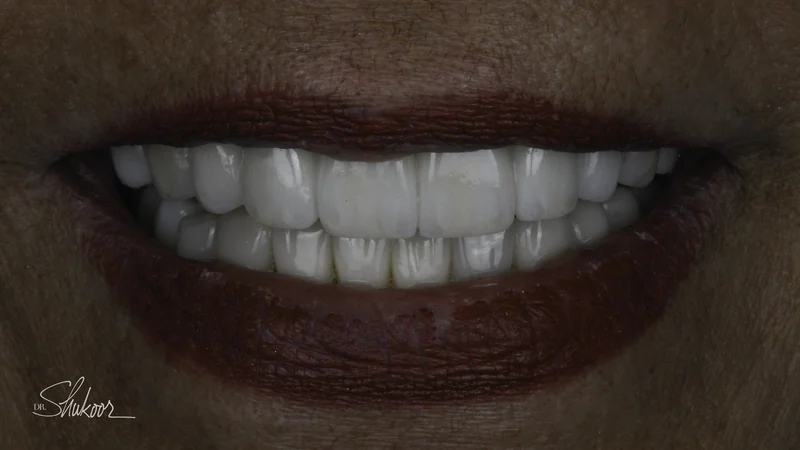
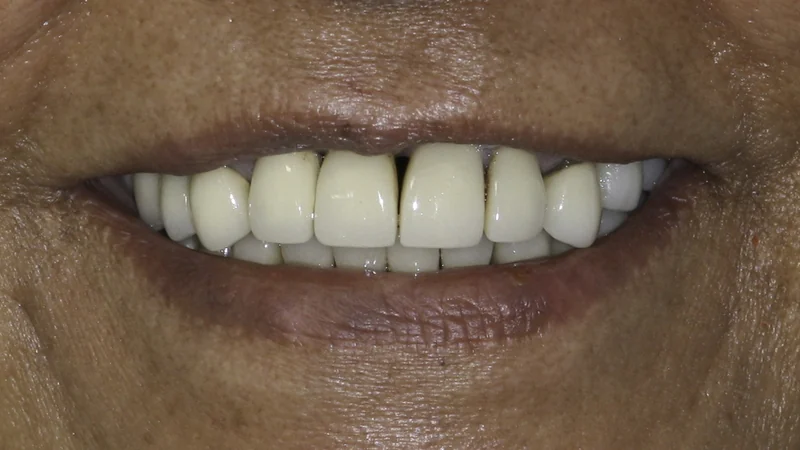
This patient's smile told the story of decades of one-tooth-at-a-time dentistry: crowns that didn't match each other, worn and chipped edges, and old restorations breaking down at the margins. Instead of another patch, the treatment plan addressed the mouth as a whole. A full-mouth rehabilitation rebuilt the bite at its proper height and restored the teeth with a coordinated set of restorations sharing one shade system and one design — so the final smile reads as a single natural dentition rather than a collection of repairs. Chewing comfort, speech, and the support of the lips and face were all considered in the final result.
Explore Cosmetic CoursesLoading case images…
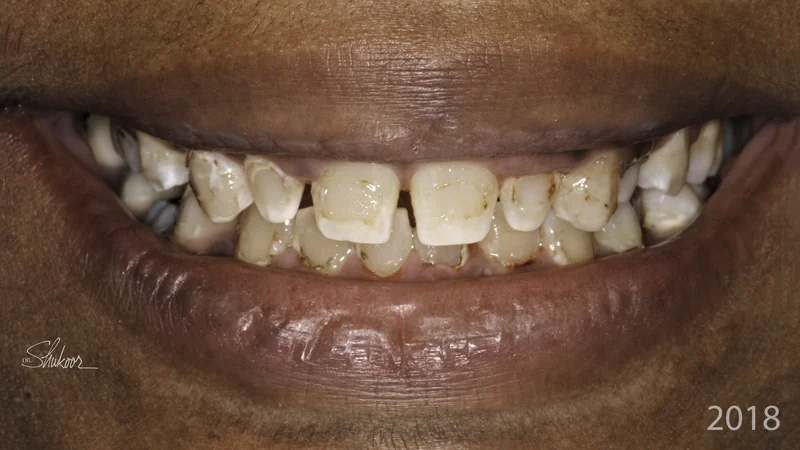
Smile Makeovers
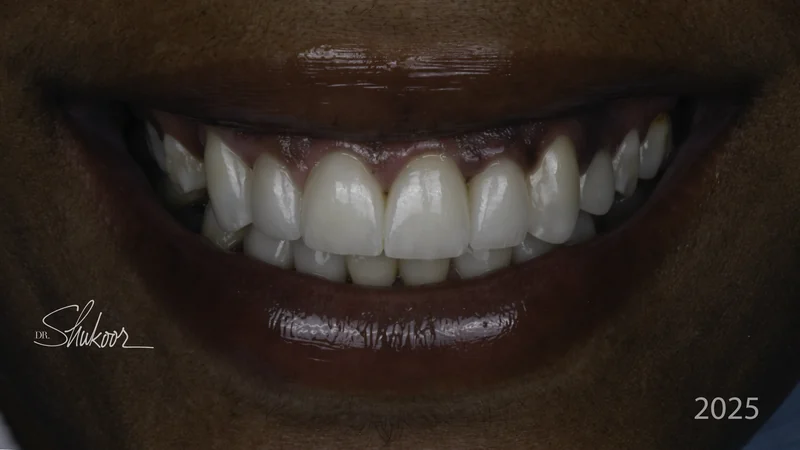
This makeover addressed color, shape, and proportion together rather than one concern at a time. The front teeth were reshaped to consistent lengths, the shade brightened to a natural — not artificial — white, and the smile line leveled so the teeth follow the curve of the lower lip. The result is a smile that looks like it was always this even.
Explore Cosmetic CoursesLoading case images…
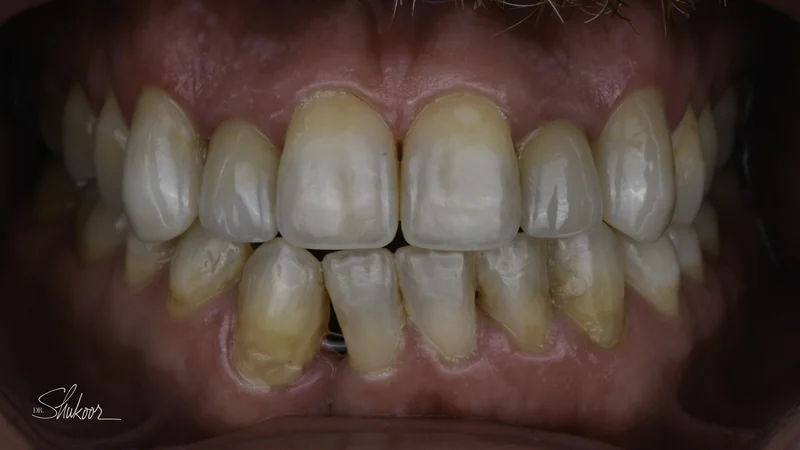
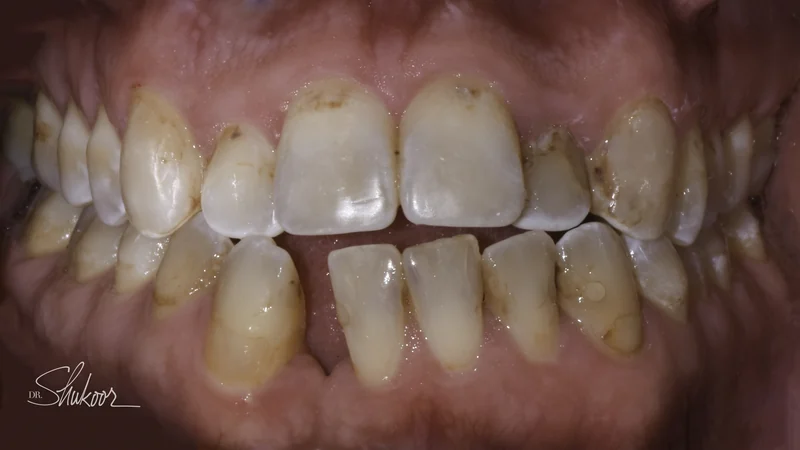
Smile Makeovers
Deep discoloration and uneven edges made this patient's smile a source of hesitation. The makeover plan corrected the underlying issues — not just the color — reshaping the teeth to symmetrical proportions and finishing them in a shade matched to the patient's complexion. Two views are shown: the close-up shows the surface detail and edge symmetry; the full smile shows how naturally the result sits in the face.
Explore Cosmetic CoursesLoading case images…
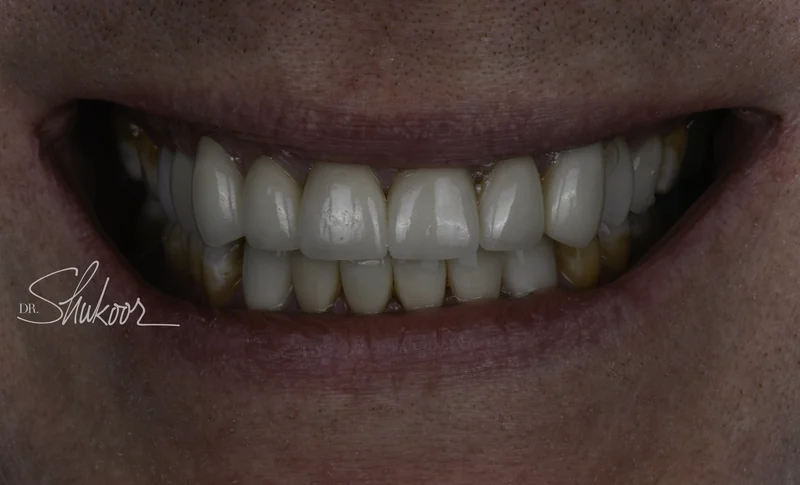
Smile Makeovers
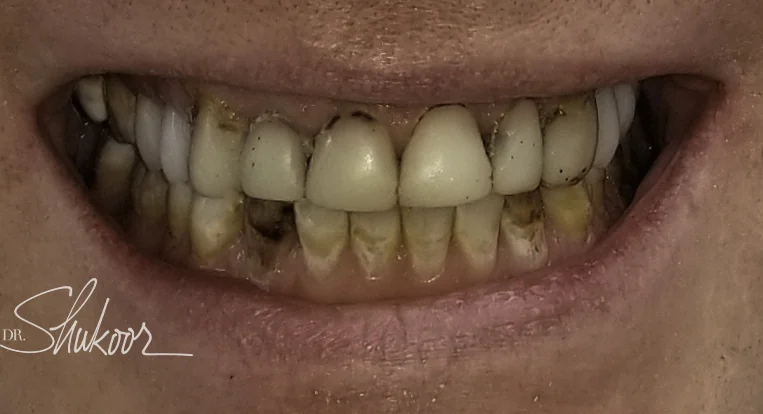
Gradual wear had shortened the front teeth and dulled their color, aging the whole smile. This makeover rebuilt the lost length and brought the shade back to a bright but believable white, with edges shaped to a smooth, continuous line. The finished smile looks rested and healthy rather than 'done'.
Explore Cosmetic CoursesLoading case images…
Smile Makeovers
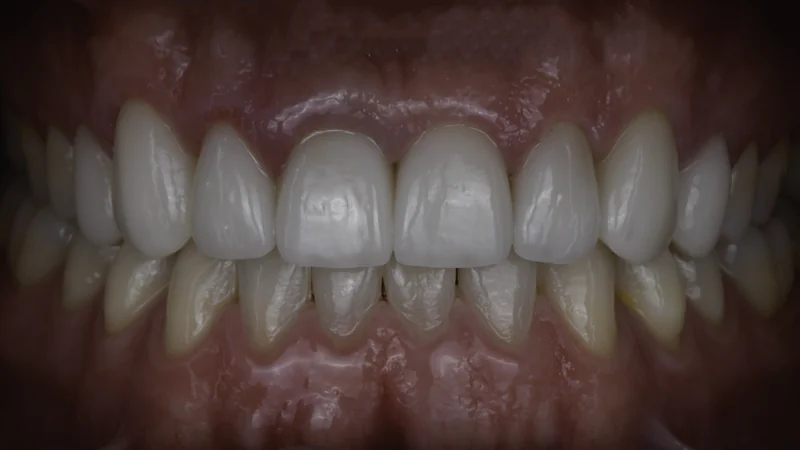
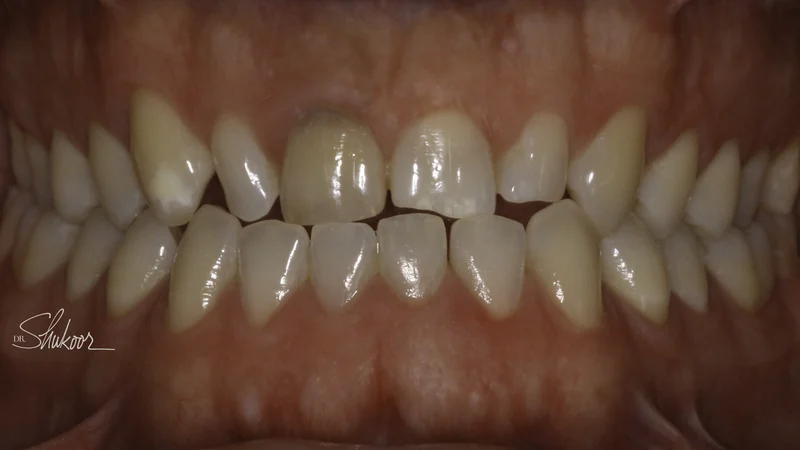
This makeover combined several corrections into one plan: reshaping irregular teeth, evening the smile line, and unifying the shade across every visible tooth. Attention to proportion — the width-to-length ratio of each front tooth — is what makes the result read as naturally beautiful rather than artificial.
Explore Cosmetic CoursesLoading case images…
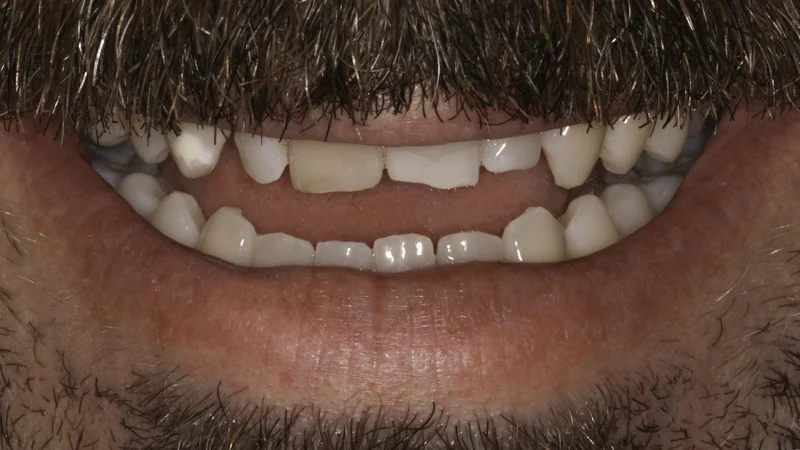
Smile Makeovers
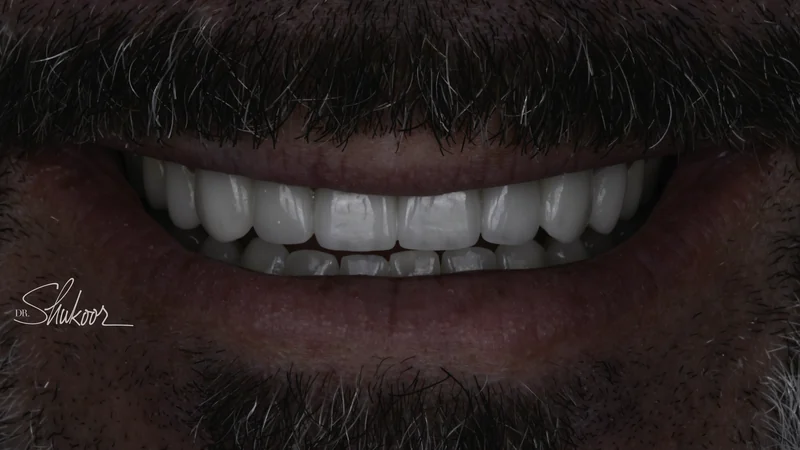
Years of wear and older dental work had left this smile discolored and uneven, with teeth of different shapes and heights. The makeover treated the smile as one unit: the worn teeth were rebuilt to even lengths, the old mismatched restorations were replaced, and every visible tooth was finished in one harmonious shade. The close-up smile view shows the brightness and evenness of the result, and the retracted view shows how cleanly the new work meets the natural teeth.
Explore Cosmetic Courses