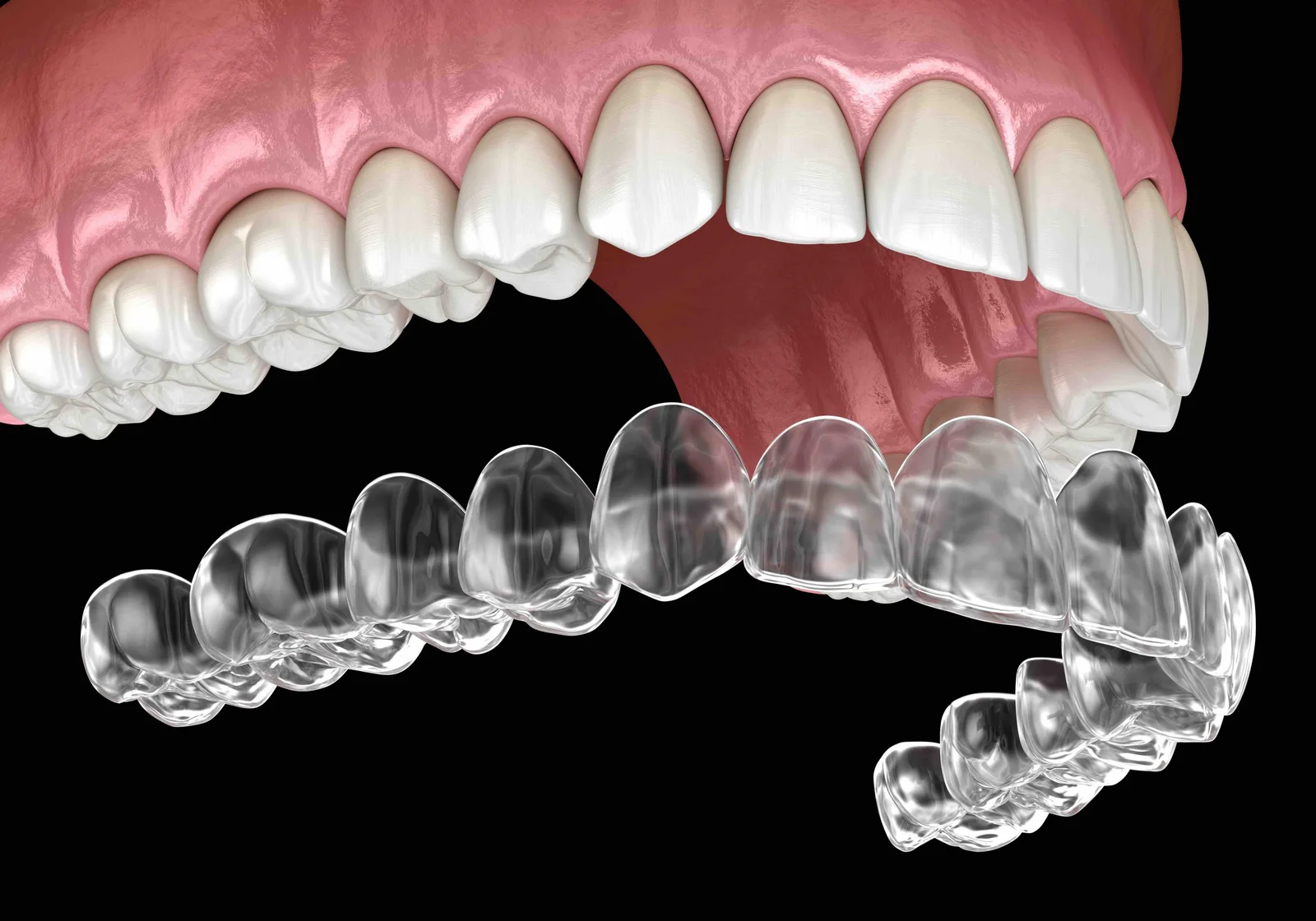
Level 2 • Clear Aligners
Comprehensive Dentistry: A Multidisciplinary Approach to Complex Clear Aligner Cases
Multidisciplinary treatment planning for complex clear aligner cases.
- Self-Paced
- 4–6 CE Credits
- 1–2 Days
- On-Demand
Coming SoonView Course

Clear Aligners • Clinical Guide
Compare mentorship features that lower refinements and shorten treatment time. Use a program checklist to pick the right clear aligner mentorship for your...
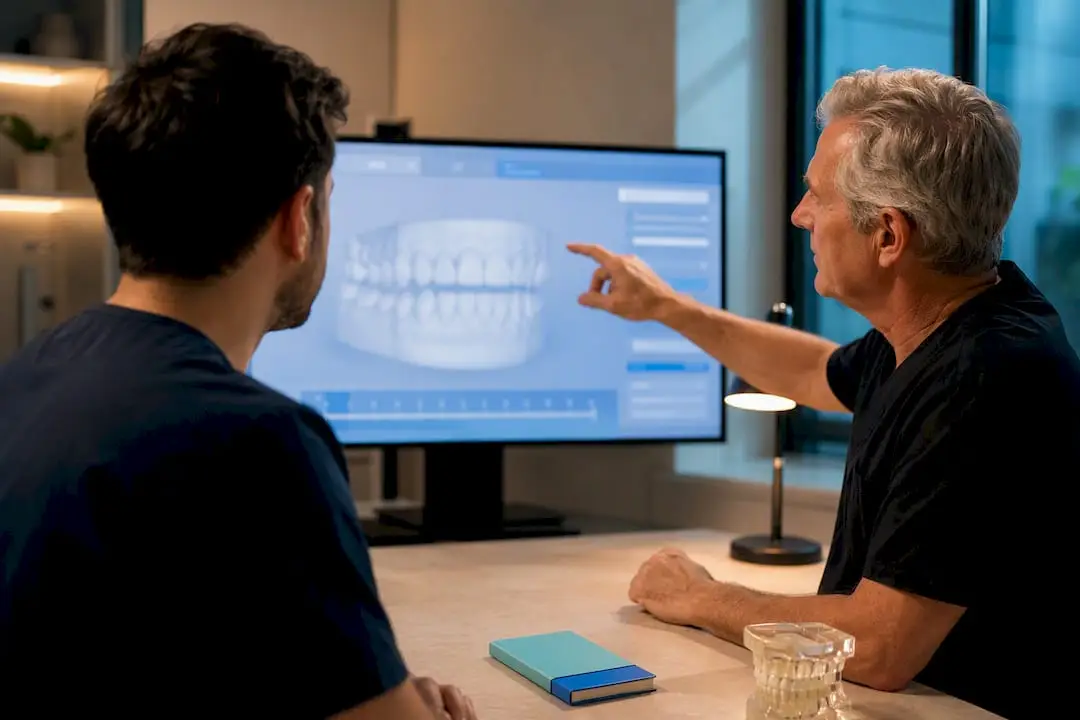
Structured mentorship, built around real case review, hands-on practice, and ongoing mentor access after the course ends, is the fastest way to turn aligner theory into predictable outcomes. Look for programs that pair ClinCheck review with staged hands-on modules and a clear post-course support window. Operator experience measurably changes refinement rates and treatment duration, and the right mentorship closes that gap faster than solo trial and error ever will.
A serious aligner training program is built around four pillars, not a login and a video library. The core clinical work happens in ClinCheck and case review sessions, where a mentor walks through your actual staging, IPR sequencing, and attachment placement before you press submit on a patient’s plan. That single checkpoint matters more than any other part of the syllabus, because the treatment-plan review is the most common failure point in general-practice aligner cases, where a technician’s default plan gets approved without clinical modification.
Beyond case review, expect biomechanics and staging modules that cover attachment design and IPR, live hands-on sessions for bonding attachments and trimming aligners, and a monitoring and refinements workflow that teaches you when a refinement reflects sound clinical judgment rather than a planning miss.
A worthwhile clear aligner mentorship should spell out, in writing, what you actually get:
Programs that skip these specifics usually skip the substance behind them too.
Aligner mentorship comes in a handful of recognizable shapes, and each one trades personalization against cost and cohort learning.
Before enrolling in any aligner training program, confirm three things: typical mentor response time on submitted cases, the maximum number of cases included before extra fees apply, and whether follow-up review happens by video call, written notes, or both.
Mentorship pays off differently depending on where you sit in your career. General dentists adopting aligners for the first time need it most for case selection and staging discipline. Clinicians scaling aligner volume need it to catch the plans that look fine on screen but fail clinically. Orthodontic residents benefit from exposure to a wider range of malocclusions than their training program alone provides, and experienced clinicians use advanced mentorship to master biomechanics for extrusions, large rotations, and root torque, movements where auxiliary mechanics or TADs often become necessary.
Mentorship beats a platform-only certificate when you need someone checking your clinical decisions, not just your software navigation. It’s the wrong tool if you already have a reliable specialist referral relationship for complex cases, since referring in expertise while keeping the patient relationship can solve the same problem.
Watch for these signals of a low-value program:
It’s the baseline reality of aligner therapy, and mentors who understand this request refinements deliberately to hit an optimal result rather than treating them as a mistake to avoid at all costs.
What separates a controlled refinement from an avoidable one is largely operator skill. A retrospective comparison of postgraduate students against experienced orthodontists found the experienced group achieved more predictable tooth movement and shorter treatment durations, with a median difference of about 4.1 months. That gap is exactly what structured mentorship is designed to close.
Mentorship narrows it by improving four specific decisions:
Before enrolling, ask any aligner training program for its alumni refinement rate, average change in treatment duration, and a sample of anonymized case logs. A program confident in its outcomes will have these numbers ready.
Run through this checklist before you commit money or time:
On a discovery call, ask directly: “What happens when a case isn’t tracking as planned?” and “How many cases can I submit before additional fees apply?” Vague answers to either question are a warning sign.
Pro Tip: Ask the program to send two or three anonymized case logs from clinicians at your experience level, not their top-performing alumnus. That’s the honest picture of what mentorship will look like for you.
Every item on that checklist maps to how a structured clear aligner mentorship can be organized. The tiered learning path moves clinicians from foundational staging and IPR through intermediate biomechanics and into advanced multidisciplinary case planning, so you’re never dropped into content beyond your current skill level.
The offerings themselves follow that same progression:
The model provides training, case review, and mentor access. Clinical responsibility for every treatment decision stays with you as the treating clinician, which is exactly how a credible orthodontic mentorship should be structured.
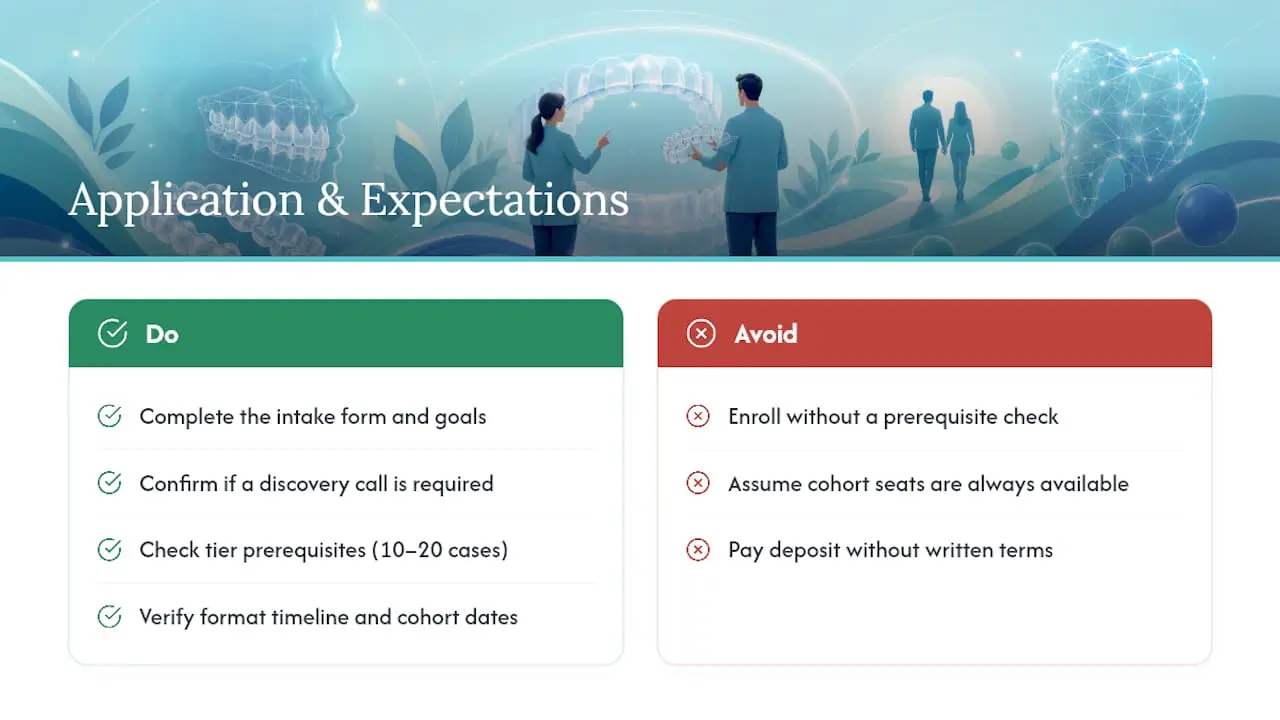
Enrollment for most clear aligner mentorship programs starts with a short application or intake form asking about your current caseload, years in practice, and specific goals, whether that’s launching aligner therapy or refining biomechanics for harder cases. Some programs require a brief discovery call before enrollment to confirm the tier fits your experience level; others let you self-select and adjust later if a module proves too basic or too advanced.
Prerequisites vary by tier. Foundational courses typically require only an active dental license. Intermediate and advanced tracks often expect a minimum number of completed aligner cases, sometimes 10 to 20, so the mentor isn’t teaching basic tray sequencing to someone ready for multidisciplinary planning. If a program has no prerequisite check at all, that’s usually a sign the curriculum isn’t tiered in any meaningful way.
Timelines depend on format. In-person intensives fill by cohort date, so seats close weeks ahead of the session. One-on-one and small-group mentorships tend to have rolling admission, with new cohorts starting monthly or quarterly. Multi-month structured programs typically run on fixed academic-style calendars, often aligning with CE credit reporting periods.
Before you pay a deposit, get in writing: the start date, the total duration, how many live sessions are mandatory versus optional, and what happens if a scheduling conflict forces you to miss a live case review. Programs that treat this as a normal question, rather than a problem, tend to be the ones with support structures built to handle it.
Skill development during aligner mentorship follows a fairly predictable arc, and knowing the stages ahead of time prevents the frustration of expecting mastery too soon.
The first four to six weeks are usually about unlearning platform defaults. New mentees tend to approve ClinCheck plans largely as submitted, because the software makes it look finished. Mentors spend early sessions teaching you to question staging sequences and attachment placement rather than accept them.
Weeks six through twelve typically bring the first real confidence jump. You start catching your own staging errors before a mentor points them out, and case review sessions shift from correction to confirmation. This is also when most learners submit their first cases with attachments or IPR sequencing they designed independently rather than modified from a default plan.
By month three to four, most clinicians in structured programs report a noticeable drop in unplanned refinements and faster, more confident patient consent conversations. That timeline lines up with research showing structured mentorship with regular feedback loops accelerates novice adaptation compared with ad hoc, unstructured learning.
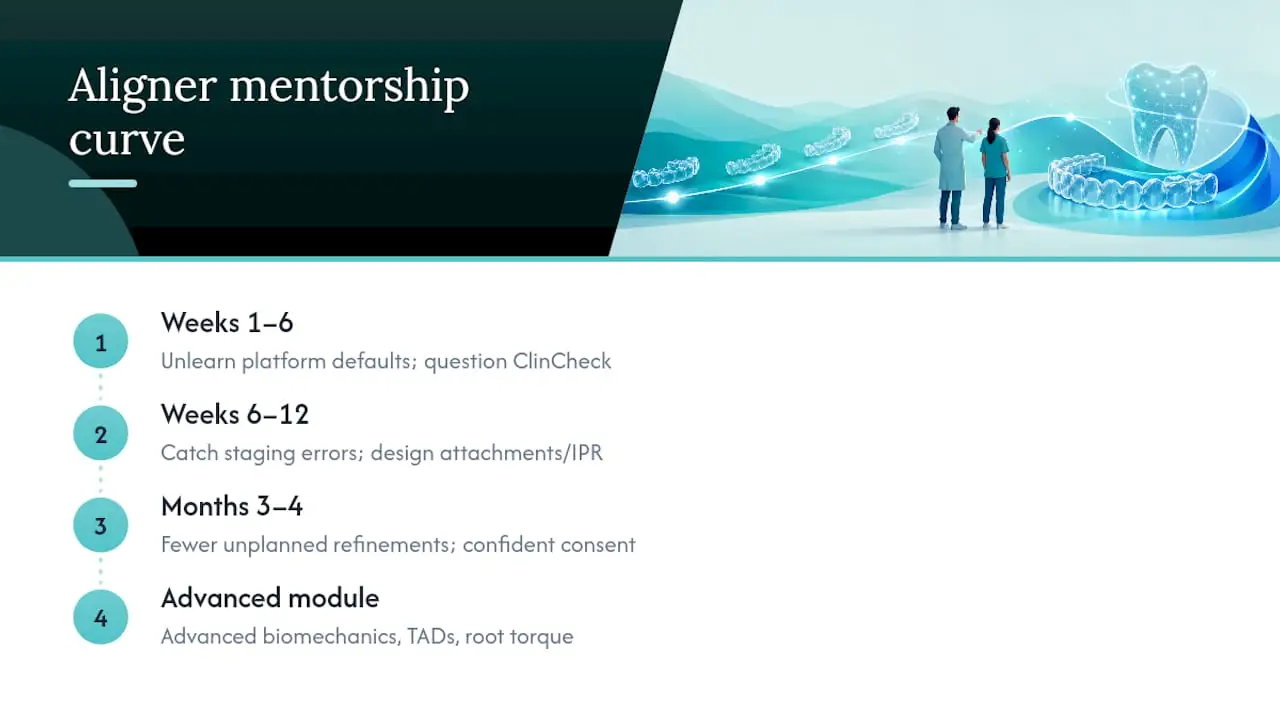
Advanced biomechanics, extrusions, large rotations, root torque, and auxiliary mechanics like TADs, usually come later, often in a separate advanced module once foundational staging is second nature. Trying to learn both simultaneously is where most self-taught clinicians stall out.
The most common early challenge is decision paralysis on borderline cases, malocclusions that could go either way and don’t have an obvious textbook answer. Good mentorship programs handle this with a portfolio approach: you log the case, submit your reasoning, and get mentor annotations you can reference on the next similar case, rather than a one-time verbal answer you might forget.
A second challenge is submission anxiety, hesitating to submit a case for review out of concern it reflects poorly on your judgment. Programs that normalize refinements as a planning tool, not a failure signal, reduce this significantly. Given that roughly seven in ten aligner cases need at least one refinement, treating every refinement request as a personal shortcoming is simply the wrong framework.
Scheduling conflicts between clinical practice and live sessions are a near-universal complaint. The stronger programs address this with recorded session libraries and asynchronous case submission, so a missed live call doesn’t mean a missed learning cycle.
Finally, isolation is a real issue for solo practitioners without in-house peers to consult. Cohort-based formats and mentor chat groups directly counter this, and the mentorship literature on early-career orthodontists specifically links small-group peer contact to reduced burnout during the steepest part of the learning curve.
Most clear aligner mentorship programs issue a completion certificate documenting the CE credits earned, typically falling in ranges like 11 to 20 credits depending on program length and hands-on hours. That certificate satisfies continuing education requirements in most states, but it is not equivalent to a specialty board certification in orthodontics, and no legitimate program will claim otherwise.
What matters more than the certificate itself is what it represents: documented completion of case review, hands-on practice hours, and, in stronger programs, a logged case portfolio a clinician can reference later. Some programs offer tiered certification, a foundational completion credential followed by an advanced or multidisciplinary credential once you’ve completed higher-level modules. That structure gives you a way to show a referring colleague or a patient exactly what training you’ve completed, beyond a single generic certificate.
Ask any program directly how the certificate is issued, whether it specifies the number of hands-on hours completed, and whether CE credits are reported to a recognized accrediting body. A program vague on this point is usually vague on its curriculum too.
Self-study, reading clinical guides, watching manufacturer webinars, working through case examples alone, costs the least and offers zero feedback. You can absorb the theory of staging and biomechanics this way, but you won’t know if you’re applying it correctly until a case goes wrong in a patient’s mouth. That’s an expensive way to learn.
Standalone CE courses without ongoing mentor access sit in the middle. You get structured content and often a single hands-on session, but once the course ends, so does your support. If a tricky case comes up four months later, you’re back to figuring it out alone.
Clear aligner mentorship is the only format that layers ongoing accountability on top of instruction. The value isn’t the lecture content, most of that exists in books and webinars already. It’s the case-by-case correction over months, the ability to submit a real patient’s ClinCheck and get a specific answer instead of a general rule. For clinicians actively treating aligner patients, that ongoing access typically justifies the higher cost over a one-time course, especially given how often refinements come down to staging decisions a mentor could have caught in advance.
The clinicians who benefit most from aligner mentorship aren’t the ones with the least experience. They’re the ones who’ve already completed a platform certification, treated a handful of cases, and started noticing that the software’s default plan doesn’t always match their clinical judgment. That gap between “certified” and “confident” is where mentorship earns its cost.
What changes first isn’t technical skill. It’s the willingness to modify a ClinCheck plan instead of approving it as submitted. Second comes case selection: recognizing which malocclusions are genuinely aligner-appropriate before starting, not after the third refinement. Patient conversations get more direct too, clinicians stop hedging about outcomes once they understand refinements as a planning tool rather than a personal failure.
Mentorship doesn’t produce instant mastery. It’s a multi-month investment in judgment, and clinicians who expect fluency after one cohort will be disappointed. Expect steady, measurable improvement instead.
— Jake
If you’ve read this far, you already know what separates a real mentorship from a certificate mill: case review you can act on, hands-on practice, and support that doesn’t disappear the day the course ends. That’s the model One World Dental builds around, with tiered pathways so foundational, intermediate, and advanced clinicians each land in the right room.
Start with the Fundamentals of Clear Aligners in-person course if you’re new to aligner therapy and need hands-on bonding and staging practice before treating your next case. Already treating aligner patients but want tighter control over IPR and attachment decisions? Browse the full clear aligner course catalog for intermediate options. Prefer a flexible schedule with recorded sessions and live case review built in? Compare formats on the training courses page before you commit to a date. Whichever tier fits, the next step is the same: pick a course page, check the upcoming cohort dates, and request a pre-enrollment call if you’re unsure which level matches your current caseload.
Educational disclaimer: Content is provided for professional education and is not a substitute for a clinician's independent judgment, applicable standards, manufacturer instructions, or relevant laws and regulations.
Related Training
Level 2 • Clear Aligners
Multidisciplinary treatment planning for complex clear aligner cases.
Level 1 • Clear Aligners
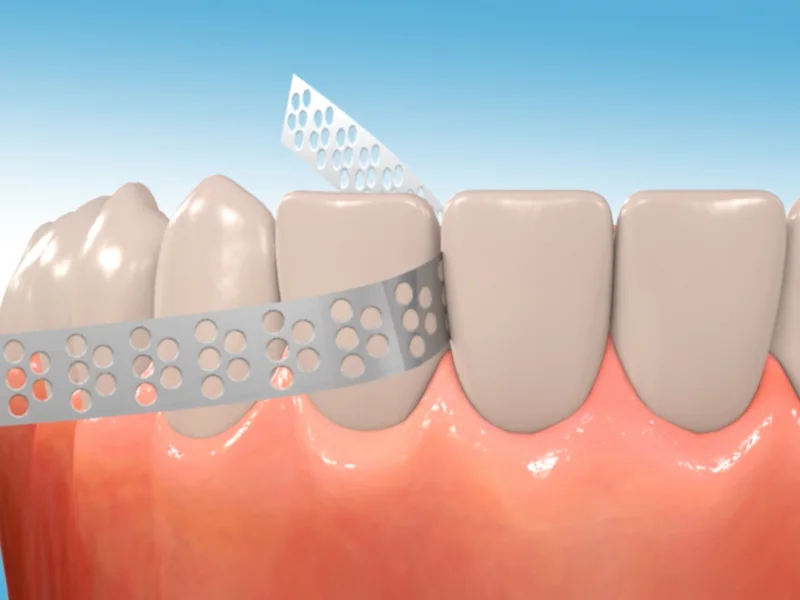
Interproximal reduction and attachment design for predictable space creation and force control in aligner therapy.
Clear Aligners • Clinical Guide
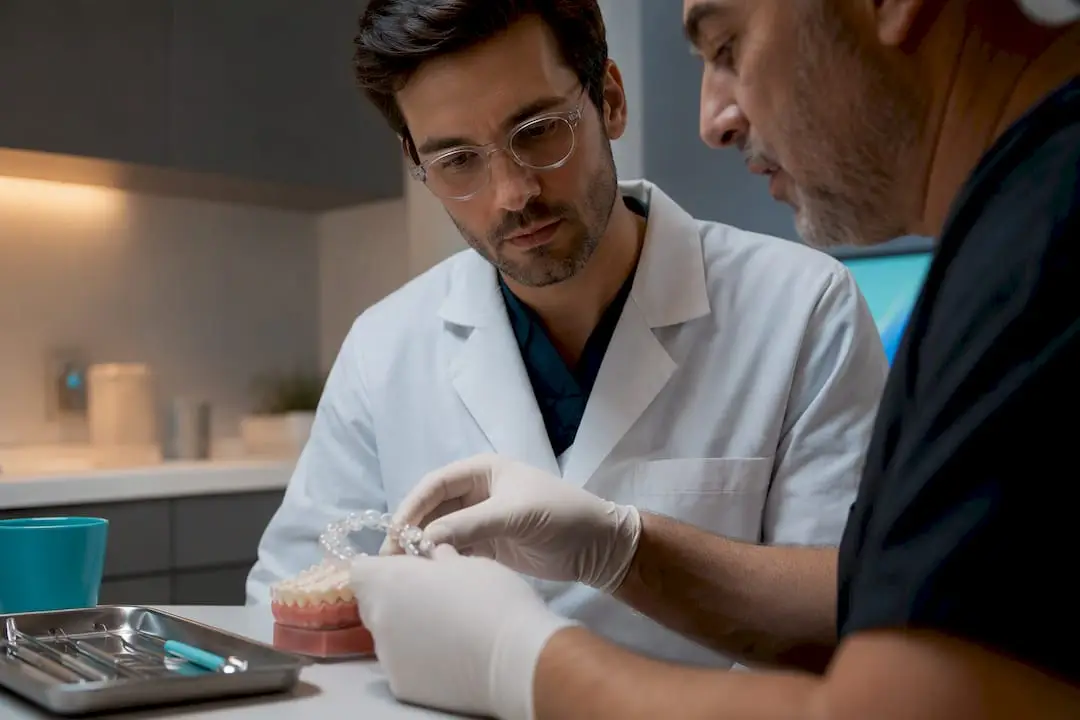
A CE-focused playbook for dentists to start clear aligner cases: three immediate steps, required records, staging rules, and a hands-on mentorship path.
8 min read · Updated September 20, 2026

Clear Aligners • Professional Education
Practical budgeting for dentists: tuition ranges ($100–$20,000), a TCA checklist, and a 2.5 month payback example; includes One World Dental mentorship...
9 min read · Updated September 12, 2026
Clear Aligners • Clinical Guide
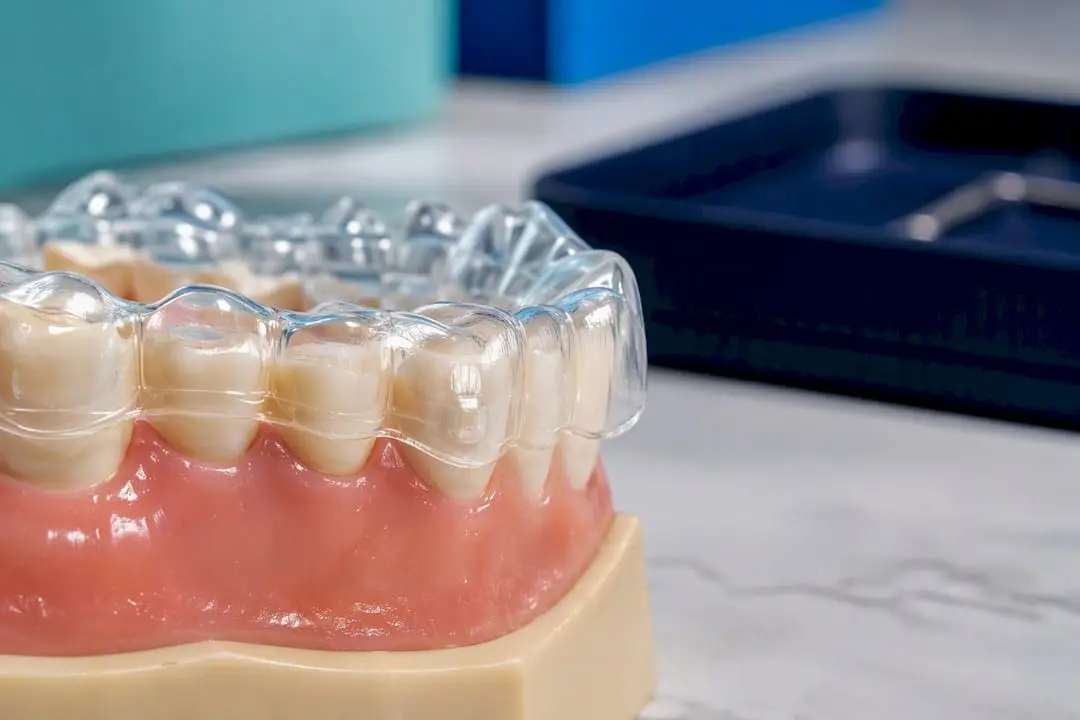
Turn 2020–2025 FEA findings into chairside practice: attachment shapes, trimline checks, 0.25 mm staging, anchorage and monitoring steps that reduce...
14 min read · Updated September 1, 2026