Level 2 • Clear Aligners
Comprehensive Dentistry: A Multidisciplinary Approach to Complex Clear Aligner Cases
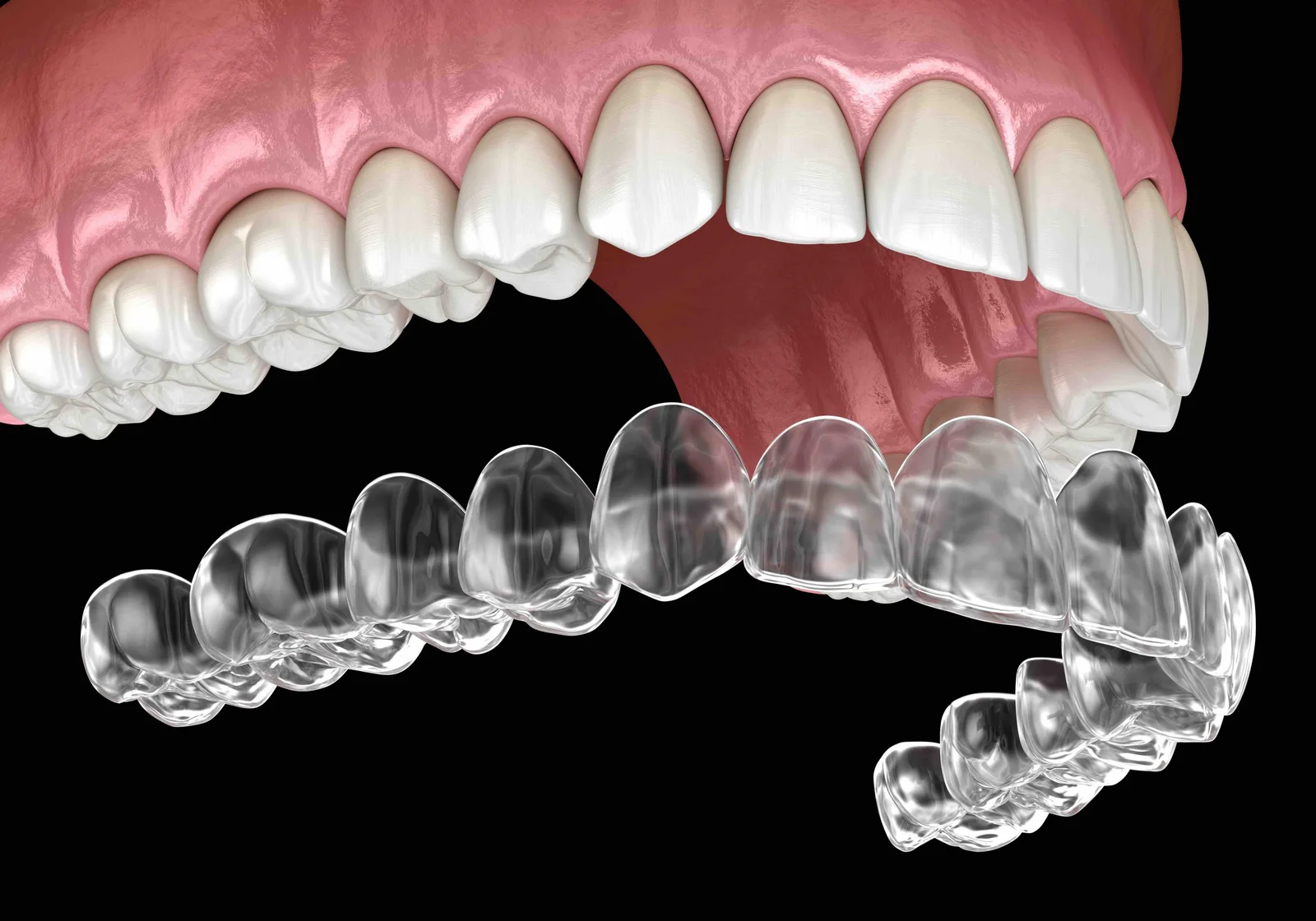
Multidisciplinary treatment planning for complex clear aligner cases.
- Self-Paced
- 4–6 CE Credits
- 1–2 Days
- On-Demand
Coming SoonView Course

Clear Aligners • Professional Education
Practical budgeting for dentists: tuition ranges ($100–$20,000), a TCA checklist, and a 2.5 month payback example; includes One World Dental mentorship...

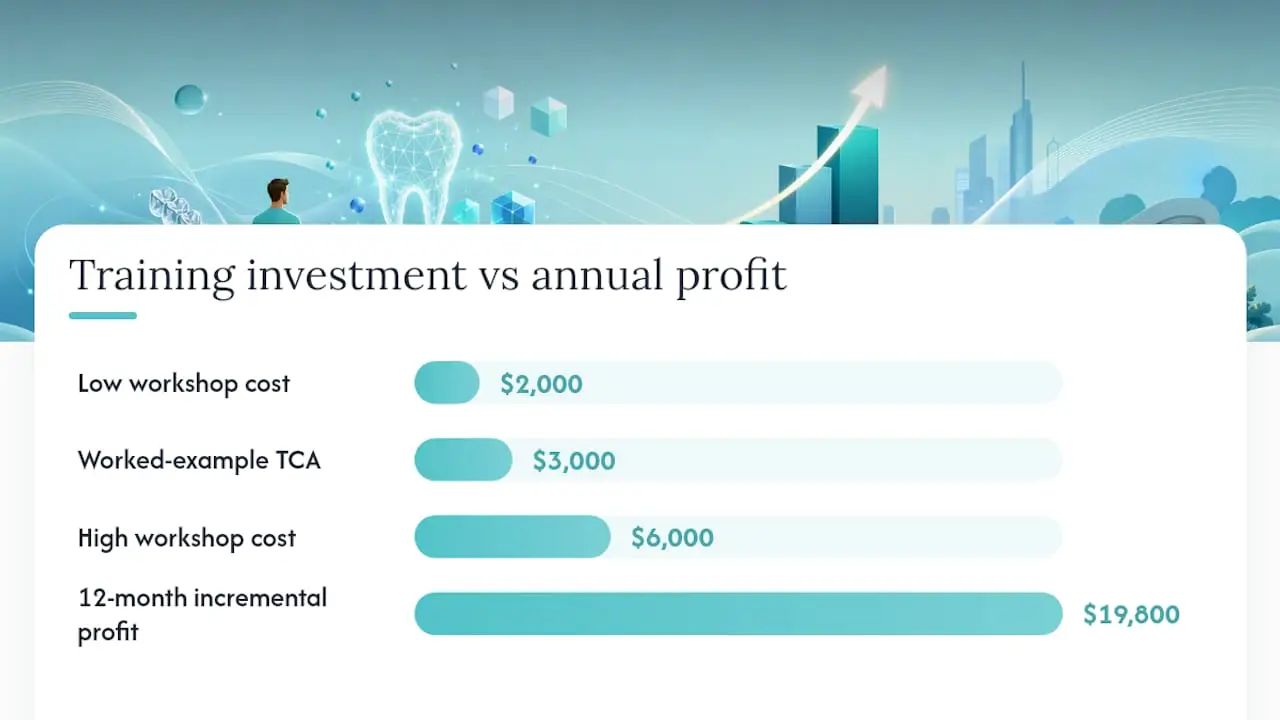
Tuition for clear aligner training runs from about $100 for a self-paced online module to $20,000 or more for a multi-module specialist pathway, with most hands-on workshops landing between $2,000 and $6,000. The real budgeting mistake is not accounting for total cost of attendance, which includes travel, lab fees, and equipment costs. These expenses can significantly increase the investment, though a modest case load may offset them over time.
Format drives price more than any other factor. A course taught through recorded video costs a fraction of one where you’re moving trays around a typodont under a mentor’s eye, and the gap between those two extremes is where most of the confusion around clear aligner course cost comes from.
Here’s how the market typically breaks down:
Per-credit-hour calculations can assist in comparing bundled offers; for example, a two-day workshop and an online module can vary in cost efficiency per credit hour. Faculty reputation and a low faculty-to-participant ratio push prices up, and they also tend to shorten the time it takes you to get comfortable running cases independently. If you already need 20 or more credits a year, an annual all-access CE pass, often priced around $400 to $600, can undercut paying per course.
Registration fees rarely cover everything you’ll spend to walk out clinically ready. Understanding the split before you enroll keeps you from getting blindsided by invoices in week two.
Tuition typically covers:
Costs that usually fall outside tuition:
That last item surprises more dentists than any lab fee. A one-day workshop that costs $1,500 in tuition can easily cost another $1,500 to $3,000 in lost chair time for a solo practitioner, which is exactly why total cost of attendance deserves its own line in your budget rather than an afterthought.
Not every course format delivers the same outcome, even at the same price point. Choosing the wrong one for your goal is the most common way clinicians waste tuition money.
A self-paced online module is efficient for filling knowledge gaps: staging philosophy, attachment selection logic, and general treatment sequencing. It rarely builds the muscle memory needed to plan a complex case confidently, because there’s no hands-on repetition and no live feedback loop.
A hands-on workshop closes that gap. Working through real or simulated cases under direct supervision, with someone correcting your staging errors in real time, compresses the learning curve in a way video simply cannot.
Small cohorts with low faculty-to-student ratios tend to justify their price premium through faster skill absorption, since repetition under direct supervision is what actually rewires clinical judgment. When you weigh price against speed of adoption, a $4,000 workshop with real case mentorship often beats a $1,200 lecture series if your goal is treating patients within 90 days, not just collecting a certificate.
The math here is more forgiving than most dentists assume, provided you model it conservatively instead of assuming best-case adoption from month one.
Three numbers matter: total cost of attendance (TCA), return on investment (ROI), and payback period.
Worked example: One documented case study modeled a TCA of $3,000 against 12-month incremental profit of $19,800, producing an ROI of 560% and a payback period of roughly 2.5 months. That’s not a guarantee, but it shows how quickly a modest case load can offset a $2,000 to $6,000 workshop investment.
Key performance indicators to track after training include case starts per month, profit margin per case after costs, and the time taken to achieve independent treatment capability.
A TCA worksheet turns a vague “it costs about $4,000” estimate into a number you can actually defend to your accountant or your partner.
Pro Tip: Keep every course invoice, hotel receipt, and CE certificate in one folder as you go. Tuition and reasonable travel are often deductible as business expenses, while a scanner purchase may need to be capitalized instead, so talk to your CPA before assuming either treatment.
Price alone tells you almost nothing about whether a course will actually change how you practice. Run every offer through the same checklist before you commit.
That last point trips up more practices than any pricing detail. A dentist who trains solo often comes back to a front desk and clinical team that isn’t ready to sell the treatment or scan a case correctly, which quietly erodes the ROI math from section five.
One World Dental builds its continuing education around mentorship and hands-on time rather than lecture volume alone, which is exactly the gap this article keeps returning to. Courses like Fundamentals of Clear Aligners pair technical instruction with real case work, so tuition buys skill practice, not just slides.
For a clinician weighing a $2,000 workshop against a $6,000 multi-module pathway, that structural difference (whether mentorship is included or bolted on) often matters more than the number on the invoice.
No two providers price identically, but the market clusters into recognizable tiers once you strip out marketing language.
| Format tier | Typical tuition | What drives the price |
|---|---|---|
| Online/on-demand certificate | $100 to $800 | Video length, number of CE credits, whether quizzes/certification are included |
| Live single-day seminar | $500 to $2,000 | Speaker reputation, venue costs, materials provided |
| Hands-on workshop (1 to 2 days) | $2,000 to $6,000 | Typodont/model kits, faculty ratio, lab-supported case work |
| Multi-module specialist pathway | $6,000 to $20,000+ | Number of sessions, mentorship access, case complexity covered |
Providers marketing “certification” packages sometimes bundle several of these tiers into one price, which can look expensive next to a single workshop but actually compresses months of separate registrations into one payment plan. The safest comparison isn’t tuition against tuition. It’s tuition plus hands-on hours plus mentorship access, priced against how fast each path gets you treating cases independently. A cheaper course that leaves you undertrained on complex cases isn’t actually the cheaper option once you factor in the redo cases or referrals you’ll lose.
Most advice on clear aligner course cost treats tuition as the whole decision, and that’s backwards. The number on the registration page is the easiest variable to compare and the least useful one for predicting whether you’ll actually adopt aligners into your practice.
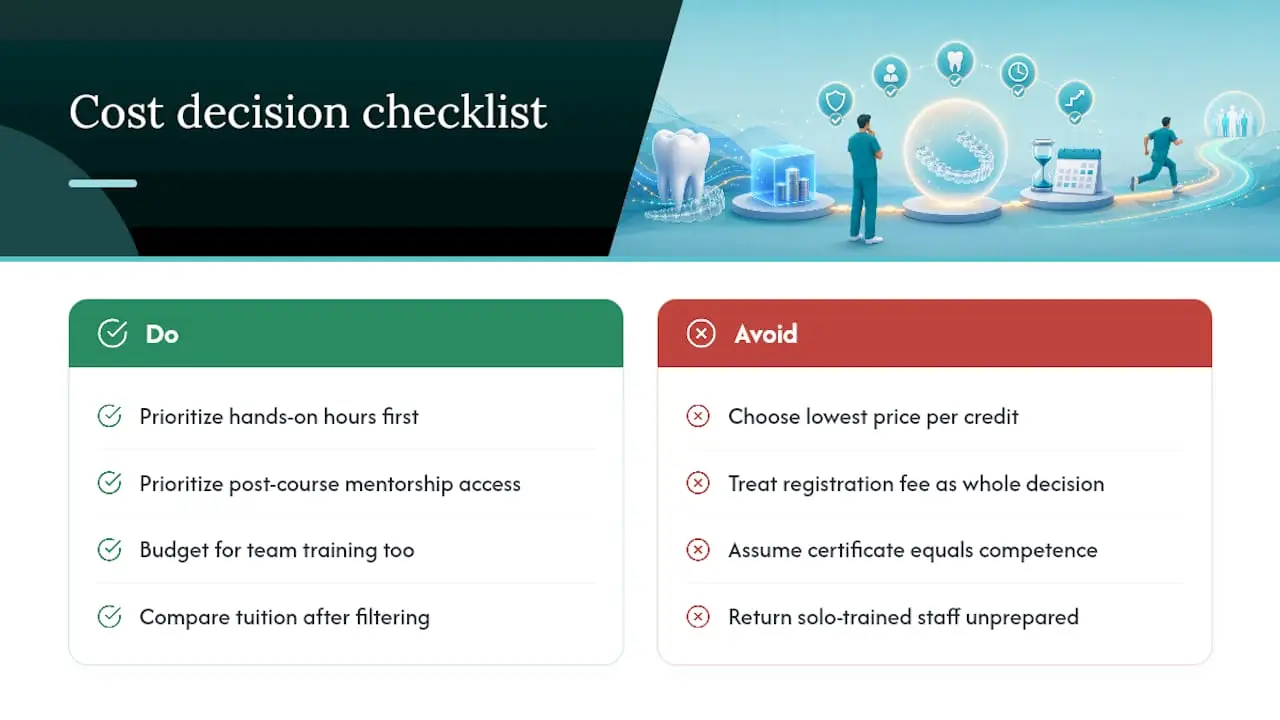
The real predictor is whether the course forces repetition under supervision and whether mentorship continues after the last session ends. A $5,000 workshop with three months of case review access will usually outperform a $1,500 lecture series financially, even though it costs more upfront, because it shortens the gap between “I understand aligners” and “I’m confidently treating them.” Conventional CE shopping optimizes for the lowest price per credit hour. That’s the wrong metric if your goal is chairside competence rather than a certificate.
If you’re budgeting for this investment, prioritize hands-on hours and mentorship access first, then compare tuition within that filtered list. Team training deserves a line item too. A solo-trained dentist returning to an unprepared front desk is one of the most common reasons projected ROI never materializes.
— Jake
Every range in this article gets more useful once you’re looking at a real course page with real numbers attached. One World Dental’s training course catalog lists current formats, from online modules to in-person hands-on sessions, with dates, CE credit counts, and tuition listed upfront, so you’re not guessing at total cost of attendance from a marketing brochure.
If you’re weighing a foundational path against something more advanced, the Fundamentals of Clear Aligners course is a practical starting point for hands-on aligner training, while the multidisciplinary treatment planning course suits clinicians ready to handle complex cases. Reach out through any course page to ask about itemized TCA breakdowns, cohort size, payment plans, and what post-course mentorship actually includes before you commit tuition dollars.
Educational disclaimer: Requirements differ by state and licensing authority and change over time. Verify current requirements with your licensing board.
Related Training
Level 2 • Clear Aligners
Multidisciplinary treatment planning for complex clear aligner cases.
Level 1 • Clear Aligners
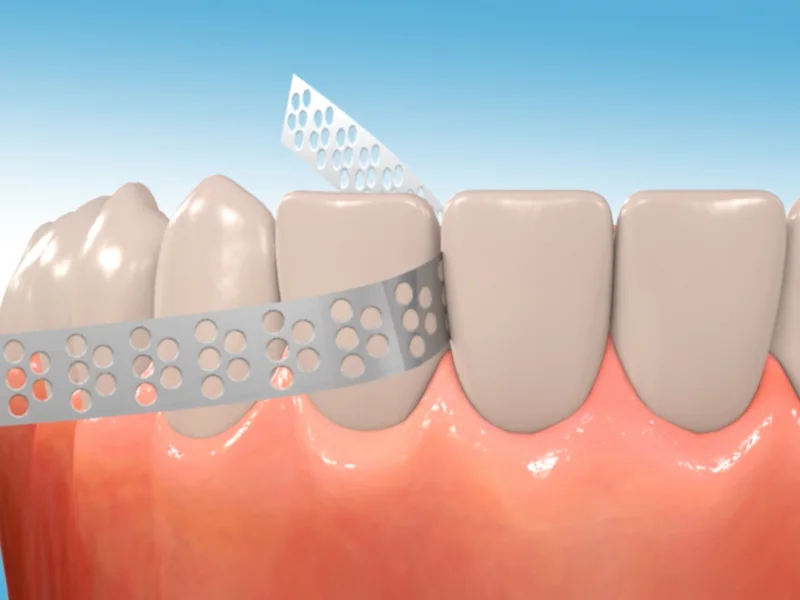
Interproximal reduction and attachment design for predictable space creation and force control in aligner therapy.

Clear Aligners • Clinical Guide
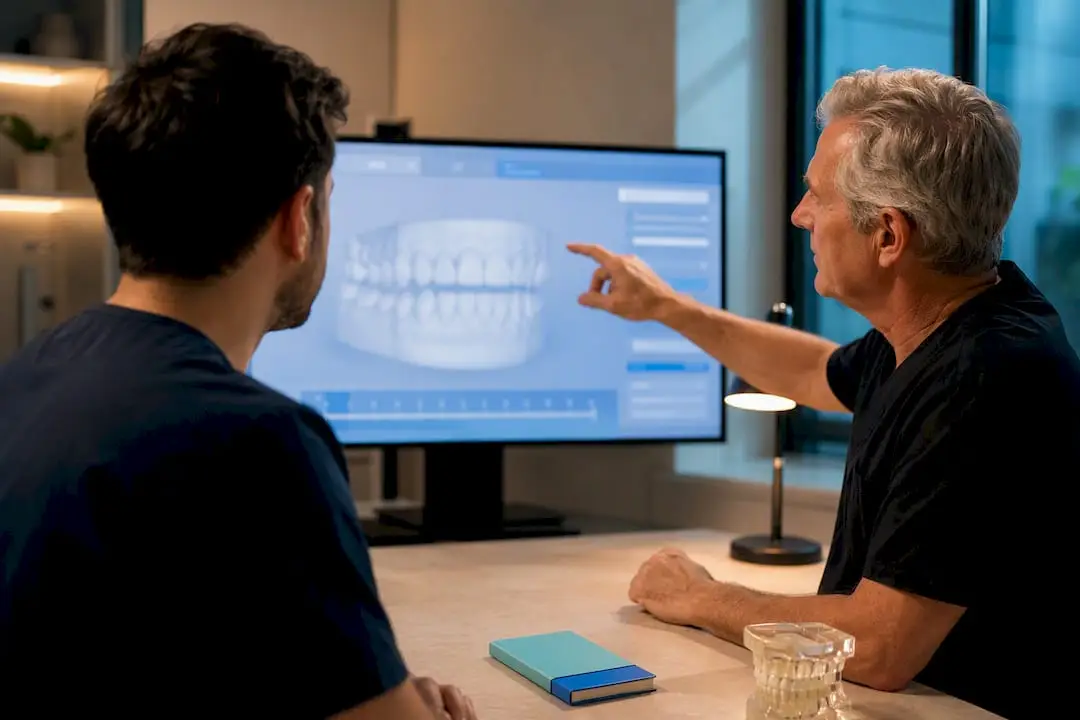
A CE-focused playbook for dentists to start clear aligner cases: three immediate steps, required records, staging rules, and a hands-on mentorship path.
8 min read · Updated September 20, 2026
Clear Aligners • Clinical Guide
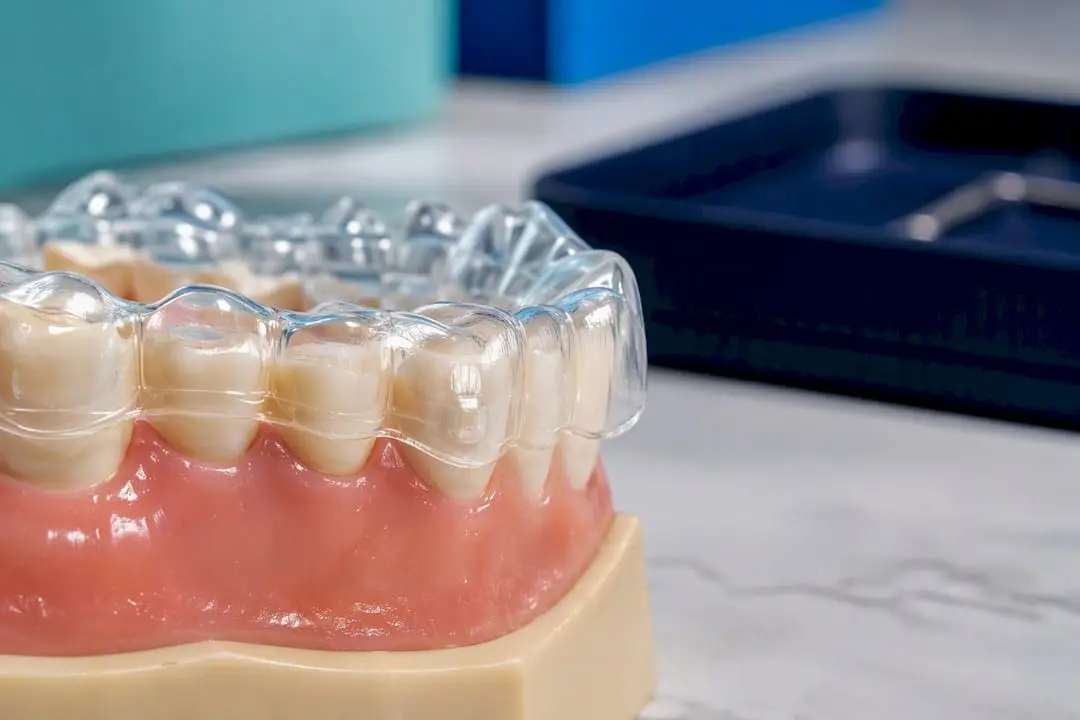
Compare mentorship features that lower refinements and shorten treatment time. Use a program checklist to pick the right clear aligner mentorship for your...
12 min read · Updated September 11, 2026
Clear Aligners • Clinical Guide
Turn 2020–2025 FEA findings into chairside practice: attachment shapes, trimline checks, 0.25 mm staging, anchorage and monitoring steps that reduce...
14 min read · Updated September 1, 2026